
Best Sump Pumps for Basements That Stay Dry
Compare the best sump pumps for basements in Albany-area homes. Learn what horsepower, backup power, switches, and installation details matter most in storms.
A sump pump is easy to ignore until the first hard spring rain sends water across the basement floor. For Capital Region homeowners, choosing among the best sump pumps for basements is not about buying the biggest unit on the shelf. It is about matching the pump, pit, discharge line, and backup plan to the way water actually reaches your home.
A well-installed system can protect finished basements, furnaces, water heaters, stored belongings, and the structure itself. A poorly selected or poorly installed pump can fail at exactly the wrong time. Here is what separates a dependable sump pump setup from a false sense of security.
What Makes a Sump Pump Right for Your Basement
The best pump depends on how much water your property receives and how quickly it arrives. A house with occasional groundwater seepage needs a different setup than a home at the bottom of a slope, near a high water table, or with frequent drainage issues around the foundation.
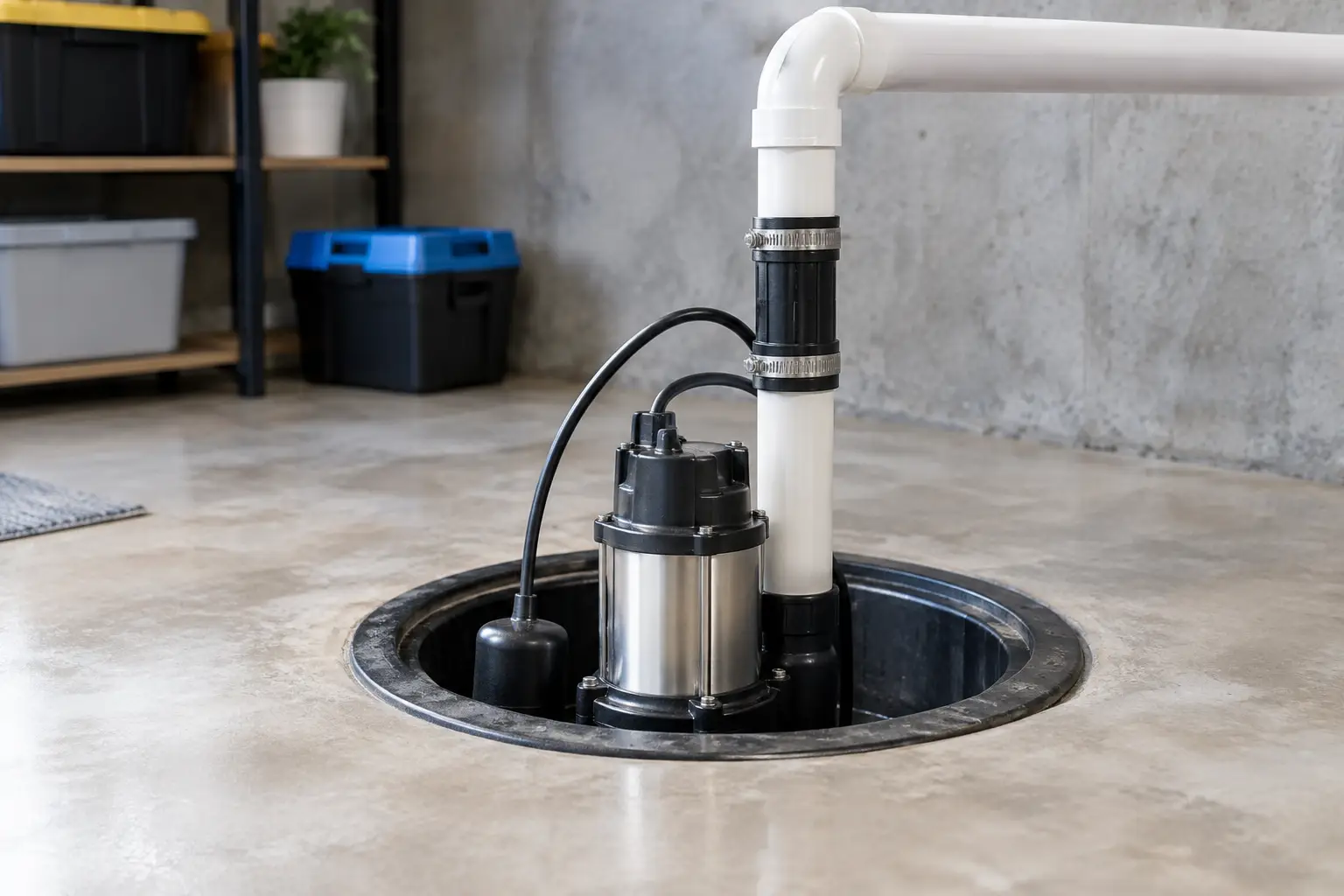
Start with the pump type. For most residential basements, a submersible sump pump is the practical choice. The motor sits inside the sump pit, keeping the unit quieter and out of the way. It is also better suited to enclosed basement spaces because it is designed to operate below the pit cover.
Pedestal pumps have a motor above the pit and can be easier to access for service. They may make sense when an existing pit is unusually narrow, but they are louder, less protected from moisture, and generally not the first choice for a finished or regularly used basement.
The other major decision is whether you need a primary pump only or a combination system with a battery backup. In Albany, Colonie, Troy, Delmar, and East Greenbush, storms can bring heavy rain and power outages at the same time. That is when a battery backup stops being an extra feature and becomes a practical safeguard.
Best Sump Pumps for Basements by Situation
There is no single model that fits every home. These categories are a better way to narrow the field before installation.
Best choice for most average-size homes
A cast-iron, 1/3-horsepower submersible pump is often sufficient for a home with moderate groundwater and a properly functioning drainage system. Pumps in this class commonly handle a substantial amount of water when the discharge lift is reasonable. Cast iron helps move heat away from the motor, which matters during extended run times.
The Zoeller M53 is a common example of the type of pump many plumbers trust for standard residential applications. It has a simple, proven design and a mechanical float switch. The important point is not the name on the housing. It is selecting a durable pump with a dependable switch and installing it in a correctly sized basin.
Best choice for high water volume
If your pump runs often, your basement has a history of flooding, or water enters the pit quickly during storms, a 1/2-horsepower cast-iron submersible pump may be the better fit. A higher-capacity unit can move more water, but horsepower alone does not tell the whole story.
Pump performance drops as the pump has to push water farther upward and outward. This is called total dynamic head. A pump that looks powerful on a store shelf may underperform if it must lift water several feet and send it through a long discharge run with multiple turns. Check the manufacturer performance curve, not just the horsepower label.
A heavy-duty model such as the Zoeller M98 or a comparable Liberty Pump can be appropriate in demanding conditions. Before upgrading, have the system diagnosed. A pump that cannot keep up may be undersized, but it could also be fighting a blocked discharge pipe, a frozen outlet, poor grading, or a damaged check valve.
Best choice for power outage protection
A primary pump with a battery backup is usually the strongest setup for homeowners who have finished basements or costly equipment below grade. The primary pump handles everyday water removal. The backup pump takes over if the main pump fails, the electrical circuit trips, or the power goes out.
Look for a system with an alarm that warns you when the backup activates, the battery is low, or the charger has a problem. An alarm does not remove water, but it gives you a chance to act before a small issue turns into a flooded basement.
Battery runtime depends on battery condition, pump size, and how much water is entering the pit. No battery system runs forever in a major storm. If your home sees frequent, prolonged outages or exceptionally heavy water flow, discuss whether a water-powered backup or standby generator plan makes sense. Water-powered units can work during an outage, but they require adequate municipal water pressure and may not be suitable for every property.
Best choice for a narrow or shallow pit
Do not force a standard pump into an undersized sump basin. A cramped pit can cause the float to bind, make service difficult, and create frequent short cycling. The right repair may involve replacing or enlarging the basin, not simply installing a smaller pump.
A proper residential basin is commonly at least 18 inches across and deep enough for the pump and float to operate freely. The exact size depends on the equipment and local conditions. The basin should have a secure cover, especially where children, pets, radon concerns, or finished basement areas are involved.
The Switch Matters as Much as the Pump
Many sump pump failures come down to the switch, not the motor. The switch tells the pump when to start and stop. If it gets stuck, tangled, or wears out, the pump may not run even though the motor itself is still in good condition.
Mechanical vertical float switches are simple and widely used. They need adequate clearance in the basin. Tethered floats need even more room to swing freely and are more likely to hang up in a tight pit. Electronic switches can offer compact operation, but they should still be tested regularly and installed according to the manufacturer’s requirements.
A quality installation includes a clear way to test the switch. Pour water slowly into the pit until the pump activates, then make sure it shuts off after the water level drops. Do this before the rainy season, not while water is already rising around the foundation.
Installation Details That Protect Your Home
Even the best sump pump will not solve a drainage problem by itself. The pump is one part of a system, and the system needs to move water safely away from the house.
The discharge line should carry water well away from the foundation without creating an icy walkway, flooding a neighbor’s property, or sending water back toward the home. It should be protected from freezing where needed and arranged so the line does not become blocked by debris. In many cases, improper discharge routing is the reason a basement stays wet despite a new pump.
A check valve is also essential. It prevents discharged water from falling back into the basin after the pump shuts off. Without one, the pump works harder, cycles more often, and may wear out sooner. The valve should be installed in the correct direction and remain accessible for service.
The pump should be on a properly grounded electrical outlet. Do not rely on extension cords or overloaded power strips. Depending on the installation, electrical requirements and GFCI protection need to be evaluated carefully so the pump remains safe and reliable. A licensed plumbing professional can coordinate the installation details and explain what needs to be corrected before the system is put into service.
Warning Signs Your Existing Pump Needs Attention
Do not wait for standing water to find out your sump system is failing. A pump that runs constantly, makes grinding sounds, cycles on and off every few seconds, or leaves water in the pit deserves prompt service. So does a pump that has not been tested in years.
Other warning signs include a musty basement smell, water marks on foundation walls, a discharge line that leaks or freezes, and an alarm that activates repeatedly. These symptoms do not always mean the pump needs replacement. A diagnosis may uncover a blocked line, failed check valve, float issue, or drainage problem outside the home.
For homes with a history of wet basements, annual sump pump testing is a sensible part of routine maintenance. Clean the pit, inspect the cover and discharge line, confirm the float moves freely, and test any battery backup according to its manufacturer instructions.
Make the Decision Before the Next Storm
The right sump pump is the one sized for your water volume, installed with a reliable switch, and backed by a discharge system that moves water away from the foundation. For many homes, that means a cast-iron submersible primary pump and a battery backup, not the cheapest replacement available.
If your pump is running nonstop, your backup alarm is sounding, or you have water in the basement, get the system checked before the next storm puts it to the test. Trinity Plumbing & Drains can diagnose the cause, explain the repair or replacement options clearly, and install a code-compliant system without the runaround.