
Burst Pipe Emergency Repair Steps at Home
Learn burst pipe emergency repair steps to limit water damage, shut off flow fast, and know when to call a licensed plumber for repair.
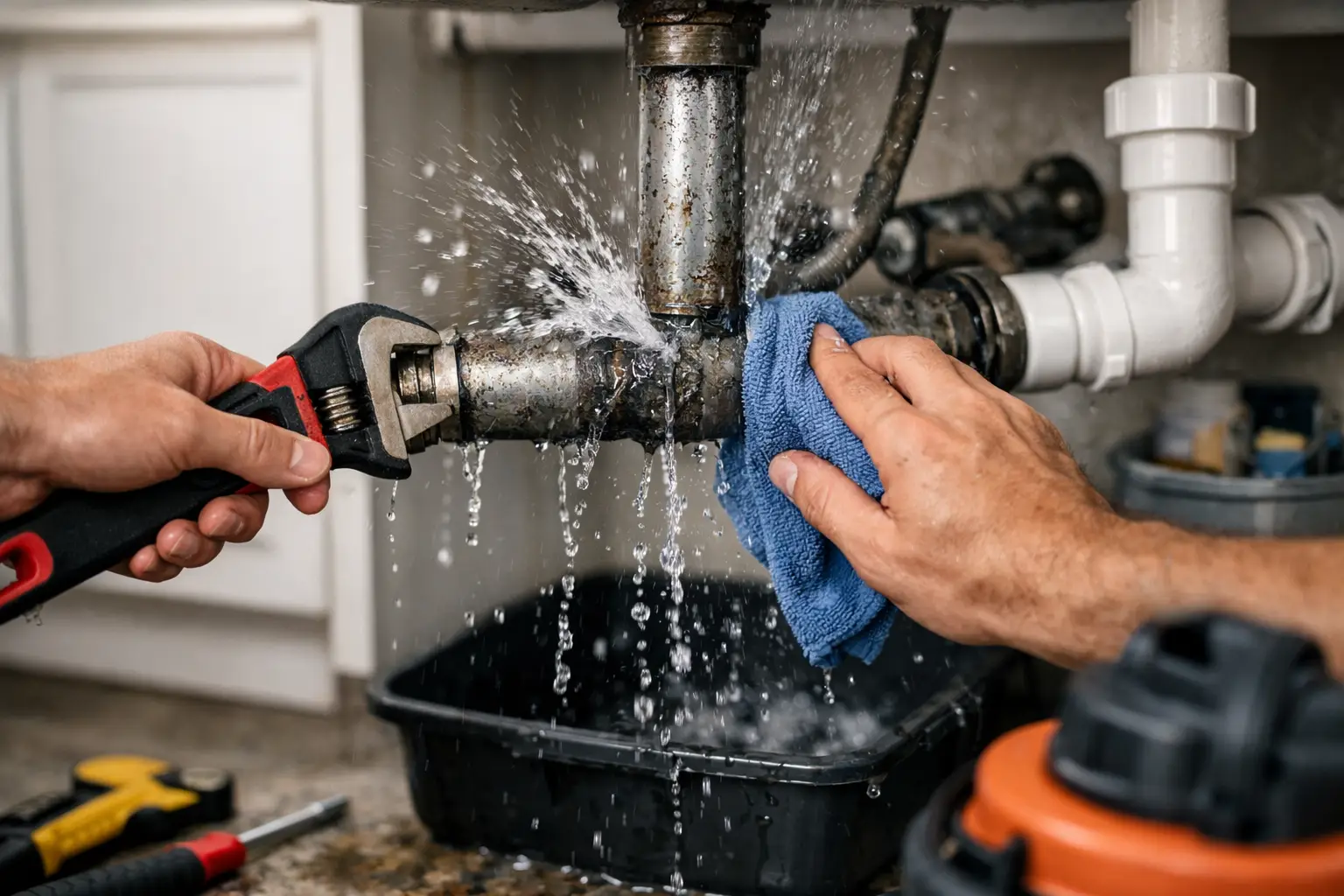
A burst pipe usually starts with a sound homeowners never forget - a sharp pop in the wall, rushing water, or the sudden sight of water spreading across a floor that was dry a minute ago. In that moment, burst pipe emergency repair steps matter more than anything else. The faster you act, the better chance you have of limiting structural damage, mold growth, and costly repairs beyond the pipe itself.
For Albany-area homeowners, frozen pipes are a common cause, but they are not the only one. Aging copper, corrosion, loose connections, excessive water pressure, and cracks at fittings can all lead to a failure. The right response is not guessing or taking the pipe apart before the water is under control. The right response is to stop the water, protect the home, and get a proper diagnosis so the repair is done safely and correctly.
First burst pipe emergency repair steps to take
Your first job is simple - stop the flow of water. Go straight to the main water shutoff if you can reach it safely. In many homes, that valve is in the basement, utility area, crawl space, or near where the water line enters the house. Turn it off fully. If the burst is isolated to a branch line and you know exactly which fixture shutoff controls it, that can work, but in a real emergency the main shutoff is usually the fastest and safest option.
Once the water is off, shut down electricity to any affected area if water is near outlets, light fixtures, appliances, or the electrical panel. Do not step into standing water to reach anything electrical. If there is any doubt, wait for the utility company or an electrician. Water damage is expensive. Electrical injury is worse.
Next, open faucets at the lowest and highest points in the house to drain pressure from the plumbing system. This helps reduce ongoing leakage and clears water from the damaged section. It also makes the line safer to inspect when a plumber arrives.
If the burst pipe happened during freezing weather, do not turn the water back on just because the visible leak has slowed down. A frozen line may have more than one split, and once pressure returns, additional leaks can open up in walls, ceilings, or crawl spaces.
What to do while waiting for repair
After the water is under control, shift focus to limiting damage inside the home. Move furniture, rugs, storage boxes, and anything absorbent away from the wet area. If water is coming through a ceiling, place a bucket underneath and watch for bulging drywall. In some cases, trapped water can cause a ceiling section to collapse. If the bulge is severe, keep people clear of the area.
Start drying what you can. Use towels, mops, fans, and a wet vac if you have one. The goal is not to finish cleanup before a plumber arrives. The goal is to slow the damage and reduce moisture that can lead to mold or warped flooring. Hardwood, laminate, drywall, and insulation all lose time quickly once they are saturated.
Take photos of the affected area and the damaged materials if you may need to file an insurance claim. That includes the leak source if visible, standing water, damaged finishes, and any personal property affected. Good documentation helps later, especially if water moved into multiple rooms.
If the break is fully exposed and small, a temporary clamp, rubber patch, or pipe repair tape may help reduce drips until a technician gets there. But that is a short-term measure, not a finished repair. Temporary products can buy time. They do not fix the reason the pipe failed.
When a temporary fix makes sense and when it does not
Homeowners often ask whether they should patch the pipe themselves. The honest answer is that it depends on access, pipe material, and the condition of the line around the burst section. If a short exposed copper or PEX section has a clear split and the rest of the pipe is sound, a temporary control measure may be reasonable after the water is off.
It is a different situation when the pipe is inside a wall, above a finished ceiling, under a slab, or badly corroded. In those cases, a visible leak may only be the point where water is escaping, not the full extent of the problem. Cutting into finished surfaces or attempting a repair without proper diagnosis can make the job larger, not smaller.
There is also a code and workmanship issue. Emergency plumbing work still has to be done correctly. The wrong fitting, poor support, improper transition between materials, or a repair made under stress on a damaged line can fail again. That is why diagnosis-first service matters. The pipe itself is only part of the problem. The cause has to be identified too.
What a professional plumber should check
A proper emergency response is not just replacing a broken section and leaving. A licensed plumber should confirm why the line failed and whether other areas are at risk. That usually starts with locating the exact break, checking surrounding fittings, and inspecting nearby piping for freeze damage, corrosion, or movement.
Water pressure should be considered, especially if the home has a pressure-reducing valve issue or repeated pipe stress. In winter, insulation gaps, drafts, and pipe placement near exterior walls may need attention. In older homes, material condition matters. A pipe that burst in one place may be warning you about the rest of the system.
The repair method will depend on material and accessibility. Copper may need a cut-out and replacement with properly cleaned and secured fittings. PEX may allow a more direct section replacement if the line is accessible and the tubing is in good shape. Galvanized pipe often raises bigger questions because one break can point to widespread internal corrosion.
A reliable plumber should also explain the repair scope clearly. That means what is damaged, what needs immediate repair, what can wait, and whether any wall or ceiling access is required. Homeowners dealing with water damage do not need vague answers. They need a straight explanation and a clean repair process.
Burst pipe repair steps after the emergency is controlled
Once the immediate leak is stopped and the damaged section is identified, the actual burst pipe repair steps become more precise. The damaged pipe section is isolated, removed, and replaced using materials and fittings appropriate for the system. The line is then secured, pressure-tested, and checked for additional leaks before the water is fully restored.
If the burst occurred in a concealed area, access and restoration become part of the real job. Sometimes that means opening drywall neatly to reach the pipe and avoid tearing apart more of the home than necessary. In a finished basement or ceiling, clean access matters. Sloppy emergency work often creates a second repair bill later.
A complete repair should include verification that fixtures are operating normally, that pressure is stable, and that no hidden water continues to migrate into surrounding materials. If water has soaked insulation, flooring, or framing, drying and restoration may also be needed. Plumbing repair stops the source. It does not automatically solve every consequence of the leak.
For homeowners in Albany, Colonie, Troy, Delmar, and East Greenbush, winter calls add another layer. If freezing caused the burst, prevention should be part of the conversation before the technician leaves. That can include insulating vulnerable lines, sealing air leaks, addressing crawl space conditions, or changing how certain pipes are routed if the risk is repeated.
Signs you need immediate professional help
Some burst pipe situations are obvious emergencies. Water pouring from a ceiling, flooding in a basement, or a pipe break near electrical components should be treated as urgent service calls. The same goes for any leak you cannot isolate, any break in a finished wall where damage is spreading, or any home that has already had one freeze-related pipe failure during a cold snap.
Less obvious cases can still be serious. A damp wall, sudden loss of water pressure, staining on a ceiling, or the sound of running water when fixtures are off can all point to a hidden pipe break. Waiting a day to "see if it dries out" is rarely a good plan. Water moves fast, and hidden moisture can turn a plumbing repair into a mold and reconstruction problem.
This is where a structured service process makes a difference. A company like Trinity Plumbing & Drains is built for diagnosis-first emergency response, which matters when the goal is not just to stop today's leak but to avoid tomorrow's repeat call.
How to reduce the chance of another burst pipe
Prevention is never perfect, but it is practical. If your home has had freezing issues before, leave cabinet doors open during extreme cold where plumbing runs along exterior walls. Keep indoor temperatures consistent, even if you are away. Disconnect and drain exterior hoses before winter, and know where your main shutoff is before you need it.
For older homes, periodic inspection is worth it. Small signs like discoloration on pipe joints, recurring pinhole leaks, or pressure swings can point to larger weaknesses. Not every old pipe needs replacement right away, but waiting until it bursts is usually the most expensive timing possible.
When a pipe bursts, speed matters. But so does doing the repair the right way, with the right diagnosis, and with a clear plan for what comes next. If water is where it should not be, act fast, shut it down, and get professional help before a plumbing emergency turns into a whole-house repair.