
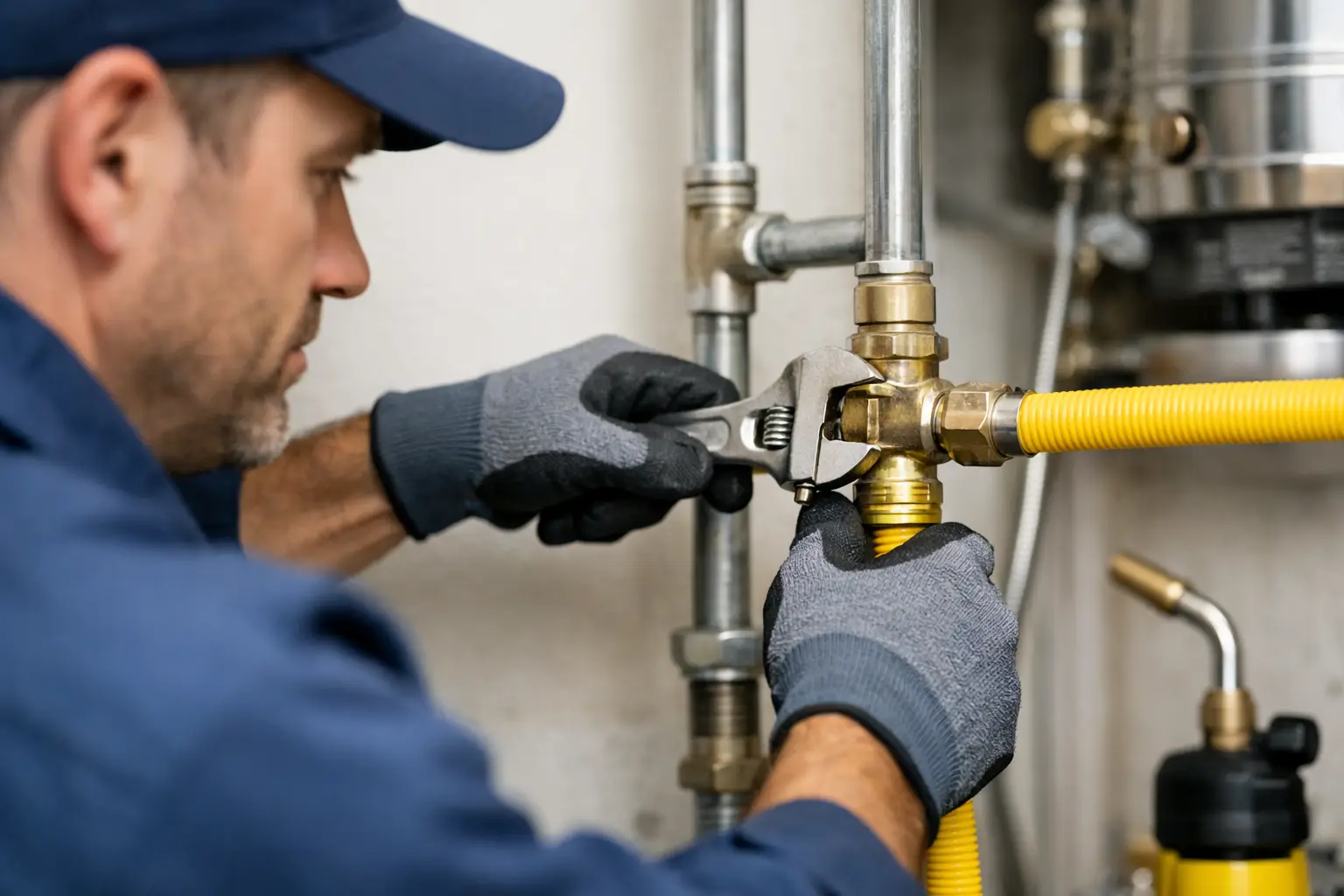
Can a Plumber Install Gas Lines?
Can a plumber install gas lines? Yes - if properly licensed and qualified. Learn when a plumber can do the work and what homeowners should ask.
If you are asking can a plumber install gas lines, you are asking the right question. Gas piping is not a casual add-on service. It affects safety, code compliance, appliance performance, and whether your home passes inspection when the work is done.
The short answer is yes, a plumber can install gas lines in many cases. But the real answer depends on licensing, local code, the type of gas work involved, and whether the plumber is specifically qualified to perform fuel gas piping work in your area. For homeowners in the Albany area, that distinction matters. You do not want guesswork on a gas line.
Can a plumber install gas lines legally?
In many parts of New York, licensed plumbers can install, repair, and replace gas lines as part of their scope of work. That said, not every plumber handles gas piping, and not every company that does basic plumbing repairs is equipped for gas line installation.
Gas work usually requires more than knowing how to connect pipe. The contractor may need to size the line correctly, follow fuel gas code, secure permits where required, pressure test the system, and coordinate inspection before the line is placed into service. If a plumber does not regularly perform this type of work, that is a problem.
So when homeowners ask can a plumber install gas lines, the better question is this: is the plumber licensed, insured, and experienced in gas line installation under local code requirements? That is what separates qualified work from risky work.
When a plumber is the right pro for gas line work
A residential plumber is often the right call when the job involves gas piping to household systems and appliances. That can include running a new line for a stove, replacing damaged gas piping, installing a gas shutoff valve, connecting a water heater, or extending a line for a dryer, fireplace, or outdoor appliance.
This kind of work fits naturally with plumbing because plumbing contractors already work with pipe systems, pressure, venting requirements, and appliance connections. In a well-run company, the process starts with diagnosis and scope. The plumber identifies what fuel source is present, confirms demand load, checks the route, and determines what code-compliant installation will require.
That matters because gas line work is not one-size-fits-all. A short branch line to a kitchen range is different from repiping a basement manifold or supplying multiple appliances from a single service line.
When you may need more than a basic plumber
Some gas line projects move beyond a routine appliance connection. If the work involves service upgrades, meter issues, utility coordination, commercial equipment, or major system redesign, you may need a contractor with specific gas qualifications or additional trade coordination.
For example, if a new high-BTU appliance is being added, the existing gas piping may be undersized. In that case, the job is not just connecting the appliance. The line may need to be recalculated and reconfigured so the whole system can carry the required load safely.
The same goes for older homes. In Albany, Troy, Delmar, and surrounding areas, many houses have a mix of old piping, prior repairs, and undocumented changes. A contractor needs to inspect what is actually there, not assume the existing setup is correct.
What gas line installation should include
Homeowners often assume gas line installation is just labor and pipe. It is more involved than that. A proper job starts with evaluating the appliance and confirming fuel demand. Then the piping has to be sized, routed, supported, and connected according to current code.
Depending on the job, the contractor may need to install shutoff valves, sediment traps, approved connectors, and proper transitions between materials. After that, the line should be pressure tested or leak tested as required before being put into service.
If permits or inspections are required locally, those should not be skipped. That part can feel like a delay when you want the appliance running fast, but it protects you. Unpermitted gas work can create insurance issues, inspection problems, and expensive corrections later.
Signs the contractor is qualified
If you are hiring someone for gas piping, ask direct questions. Do they perform residential gas line installation regularly? Are they properly licensed and insured? Will they pull permits if needed? Do they pressure test the line? Will the work be done to current code?
A qualified contractor should be able to answer those questions clearly without hedging. You should also expect a defined scope of work, not a vague promise to hook it up and see what happens. Gas work needs to be planned, not improvised.
This is where a professional plumbing company stands apart from a handyman or low-cost installer. You want someone who treats gas piping like the safety-critical system it is.
Red flags homeowners should not ignore
The biggest red flag is anyone who treats gas work as quick side work. If the contractor does not talk about code, testing, permits, shutoff access, or line sizing, that should get your attention.
Another problem is pricing that sounds too good because key steps are being skipped. A cheap install can get expensive fast if there is a failed inspection, a leak, poor appliance performance, or damage from an improper connection.
You should also be cautious if someone says they can reuse old fittings, run whatever pipe is on the truck, or connect a new appliance to an existing line without checking capacity. Those are not small details. They are the details that determine whether the job is safe and legal.
Why gas line sizing matters so much
One of the most common issues in gas work is undersized piping. Homeowners usually do not see this coming because the appliance may still light or appear to work at first. But if the line is too small, the appliance may not receive enough gas under load.
That can lead to poor performance, nuisance shutdowns, incomplete combustion, and long-term wear. If multiple gas appliances run at the same time, the problem can become more obvious. The line has to be sized for the actual demand, pipe length, and system layout.
This is one reason gas line installation should start with diagnosis, not with cutting and threading pipe right away.
Can a plumber install gas lines for new appliances?
Yes, in many cases a plumber can install gas lines for a new stove, dryer, water heater, fireplace, or similar residential appliance. But the answer still depends on whether the existing system supports that added load and whether the installation can be completed to code.
A simple appliance swap is not always simple. If the new unit uses more fuel than the old one, if the shutoff is missing or in the wrong place, or if the connector and venting do not meet current standards, the work can expand quickly.
That is normal. Good contractors explain those changes upfront so you understand what is required and why.
Local code and permits are part of the job
In residential service, code compliance is not optional paperwork. It is part of doing the work correctly. Local requirements can affect pipe material, shutoff placement, sediment trap rules, testing procedures, and inspection requirements.
For homeowners, this means the cheapest path is not always the safest or the fastest. If a job needs a permit, it needs a permit. If a line needs testing, it needs testing. Skipping those steps just creates risk that comes back later, usually at the worst time.
A structured plumbing company will tell you what is required before work starts. That is a better experience than getting halfway through a gas installation and finding out the job was never set up properly.
What to expect from a professional service call
When a plumber is qualified to handle gas lines, the visit should feel organized. First comes inspection and diagnosis. Then you get a clear explanation of the issue, the recommended scope, and any code or permit requirements that apply.
From there, the work should be completed cleanly, tested properly, and documented as needed. If the job requires coordination with inspection or utility involvement, that should be explained early, not after the pipe is already installed.
That process protects the homeowner. It also reduces the confusion that often happens with gas work when people assume every contractor handles it the same way.
For homeowners who need fast, code-compliant residential gas piping, Trinity Plumbing & Drains approaches it the same way any serious safety-related service should be handled - diagnose first, define the scope clearly, and do the work right.
If you are trying to figure out whether your plumber can handle a gas line job, do not settle for a maybe. Ask whether they are licensed for the work, whether they will size and test the line correctly, and whether the installation will meet local code. That conversation alone will usually tell you whether you are talking to the right pro.