
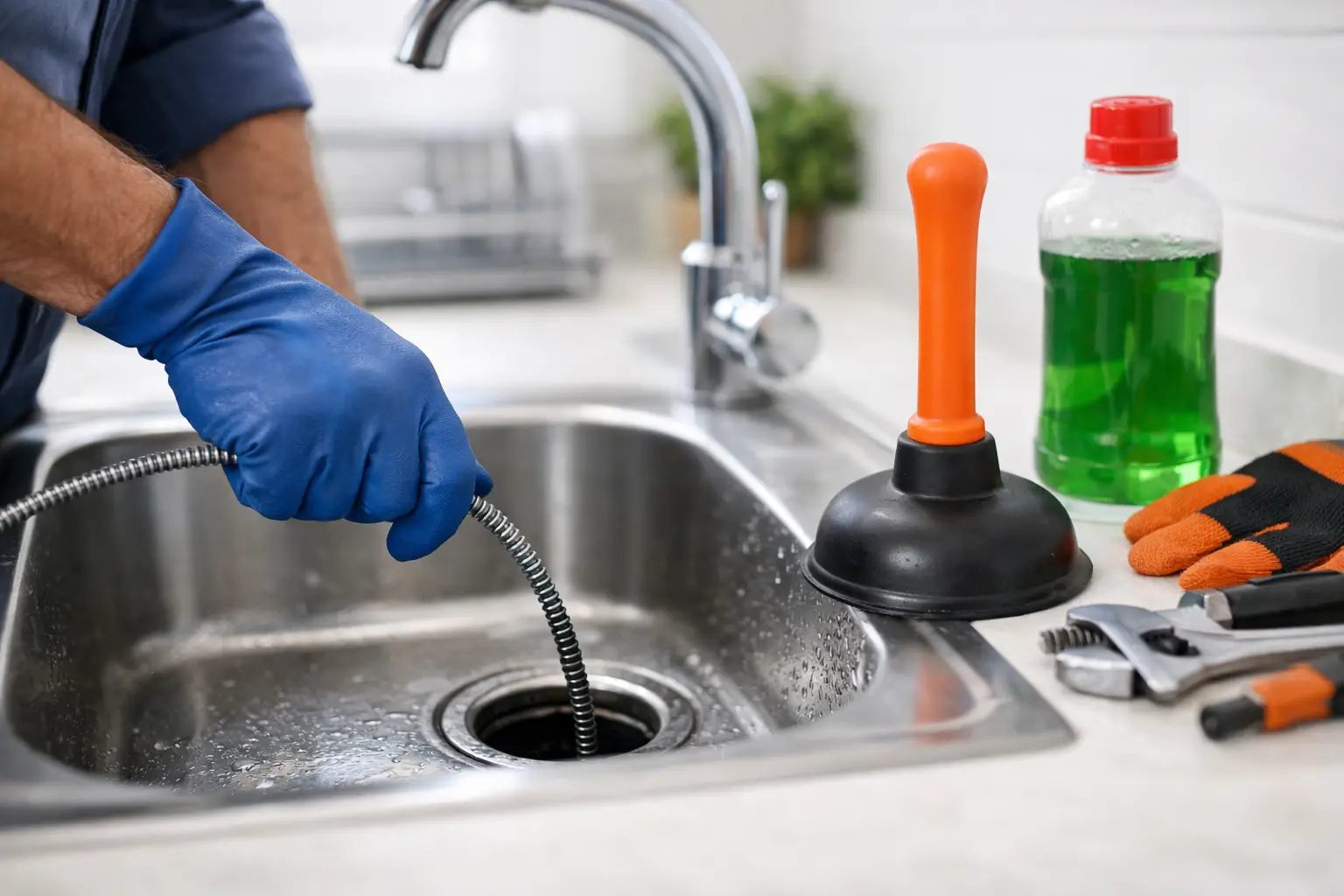
Drain Cleaning: What Homeowners Should Know
Drain cleaning helps prevent backups, odors, and pipe damage. Learn when to DIY, when to call a pro, and what to expect from service.
A sink that starts draining slowly on Monday can turn into standing water by Friday. That is usually how drain problems go - small warning signs first, then a bigger mess when you least need it. For most homeowners, drain cleaning is not something you think about until the shower won’t empty, the kitchen sink smells bad, or a basement drain starts backing up.
When that happens, speed matters, but so does getting the diagnosis right. A slow drain is not always a simple clog near the fixture. It can be grease buildup, hair and soap residue, a problem deeper in the branch line, or an issue in the main sewer line. The right fix depends on where the blockage is, how severe it is, and whether there is any pipe damage involved.
What drain cleaning actually solves
Drain cleaning removes material that is restricting flow inside your plumbing system. In a bathroom, that is often hair, soap scum, and toothpaste residue. In a kitchen, it is usually grease, food waste, and sludge that has built up over time. Floor drains and basement drains may collect dirt, lint, or debris, especially after heavy use or wet weather.
Good drain cleaning does more than punch a small hole through a clog. The goal is to restore normal flow and identify whether the line is likely to clog again soon. That distinction matters. A temporary opening may get water moving for a day or two, but if heavy buildup is still coating the pipe walls, the problem comes right back.
This is why professional service starts with symptoms and location, not guesswork. One overflowing toilet and one slow tub suggest one kind of issue. A gurgling kitchen sink plus a laundry drain backup point to another. If multiple fixtures are affected at the same time, the problem may be farther down the system than many homeowners expect.
Signs you need drain cleaning now
Some clogs build slowly. Others show up all at once. Either way, there are a few signs that should not be ignored.
Slow draining water is the most obvious one. If a sink, tub, or shower is taking longer than usual to empty, there is likely a restriction forming in the line. Bad odors are another common sign, especially in kitchen drains where food and grease sit in the pipe. Gurgling sounds, bubbling in a toilet, or water backing up into a lower drain when another fixture is used can point to a more serious blockage.
If more than one drain in the house is acting up, that usually means the issue is not limited to one fixture. A main line problem can affect toilets, tubs, sinks, and floor drains at the same time. That is the point where waiting often makes the repair more disruptive and more expensive.
DIY drain cleaning has limits
Homeowners can sometimes clear a simple stoppage near the opening of a sink or tub. Removing a pop-up stopper and pulling out hair is often worth trying. A plunger can also work on certain clogs if used correctly. For kitchen sinks, a basic trap cleaning may help if the blockage is close and easy to access.
But there is a point where DIY stops being practical. Store-bought drain chemicals are one of the biggest problems. They rarely remove the full blockage, and they can damage certain pipes, create safety hazards, and make the next service call more difficult. If the line is fully blocked, those chemicals may just sit in the pipe.
Small hand augers can help in some cases, but they also have limits. Used the wrong way, they can scratch fixtures, get stuck, or fail to reach the real clog. If the drain keeps backing up after a basic attempt, that is a sign the issue is deeper or heavier than a simple DIY fix.
Professional drain cleaning vs. quick clog removal
Not all drain service is the same. Some calls involve a straightforward stoppage close to the fixture. Others need more thorough cleaning or inspection to understand what is happening inside the line.
A professional approach starts with identifying the affected fixtures, the type of piping, and the pattern of the backup. From there, the plumber may use a cable machine to break through or remove a blockage. In other situations, especially where buildup is heavy, more complete cleaning may be needed to clear the pipe walls more effectively.
This matters because recurring clogs often point to an underlying issue. Grease can narrow a kitchen line over time. Bellied or damaged pipe sections can hold debris and cause repeat backups. Tree roots in a sewer line can block flow even if the drain seems to improve for a short time after clearing. If no one checks for the cause, the same problem tends to return.
When drain cleaning may not be enough
One of the most important parts of a service call is knowing when drain cleaning is the right fix and when it is not. A blocked line can usually be cleared. A broken, collapsed, or root-intruded line is a different issue.
That is why symptoms matter. If drains back up repeatedly, sewage odors are strong, or basement fixtures overflow during normal use, the line may need to be inspected, not just cleared. The same applies if the home has older piping or a history of sewer problems. Opening the line without checking its condition can solve the immediate problem while missing the real one.
A diagnosis-first approach protects homeowners from wasted time and repeat charges. You want to know whether the issue is routine buildup, a line condition problem, or a larger sewer repair concern. That answer affects both the repair scope and the long-term result.
Drain cleaning in older Albany-area homes
In the Albany area, many homes have older plumbing systems, and that changes the conversation. Older drain lines may have years of internal buildup, previous repair patches, shifting joints, or materials that are more vulnerable to wear. What works in a newer PVC system may not be the best approach in an older home.
Seasonal conditions matter too. Freeze-thaw cycles, heavy rain, and saturated ground can all put extra stress on drainage and sewer systems. Basement drains and lower-level fixtures tend to show trouble first because they sit closer to the lowest point in the system. If your home is in Albany, Colonie, Troy, Delmar, or East Greenbush, local experience matters because the housing stock and service conditions are not all the same.
What to expect from professional drain cleaning service
A good service call should feel clear from the start. The plumber should ask what is backing up, where it is happening, and when the problem started. Once on site, the system should be evaluated before anyone jumps into a one-size-fits-all fix.
That process helps define scope. If the issue is isolated to one bathroom sink, the repair path is different than it is for a whole-house backup. If there are signs of a main line issue, that should be explained directly. Homeowners should know what is being done, why that method is being used, and what the next step is if the line does not respond as expected.
Clean workmanship also matters more than many people realize. Drain calls are messy by nature, but that does not mean the job site should be chaotic. Professional service includes protecting the home, working safely, and leaving the area in better shape than a rushed contractor would.
How to reduce future drain problems
No drain stays perfect forever, but a few habits can lower the chance of repeat clogs. In kitchens, grease should never go down the sink, even with a garbage disposal. In bathrooms, hair management makes a big difference, and flushable wipes should be avoided entirely, no matter what the label says.
It also helps to pay attention to small changes. A drain that slows down once in a while may not seem urgent, but it is often the first sign of buildup. Addressing it early is usually simpler than waiting for a full backup. If the same line has been cleared before, repeated symptoms deserve a closer look.
For homeowners who want straightforward answers without the runaround, that is the value of a professional diagnosis. Trinity Plumbing & Drains approaches drain calls the way they should be handled - identify the source, explain the scope, and fix what is actually wrong.
If your drain is slow, backing up, or starting to affect more than one fixture, do not wait for it to become a larger cleanup. Getting the problem checked early is often the fastest way back to a normal house.