
Drain Cleaning Versus Drain Snaking: Which Works?
Drain cleaning versus drain snaking explained: learn which method clears your Albany-area clog and when a sewer camera inspection is needed right now.
A slow kitchen sink, a shower that pools around your feet, or a toilet that gurgles when the washer drains can all look like a simple clog. But drain cleaning versus drain snaking is not a one-size-fits-all choice. The right method depends on where the blockage is, what caused it, and whether the pipe itself has a larger problem.
For homeowners in Albany and the surrounding Capital Region, the fastest way to avoid repeat backups is to diagnose the drain before choosing a tool. A cable may restore flow in minutes. In other cases, buildup must be cleaned from the pipe walls, or a camera inspection may reveal roots, a damaged sewer line, or a sagging section of pipe. Clearing the symptom without identifying the cause can leave you calling for the same problem again next month.
Drain Cleaning Versus Drain Snaking: The Main Difference
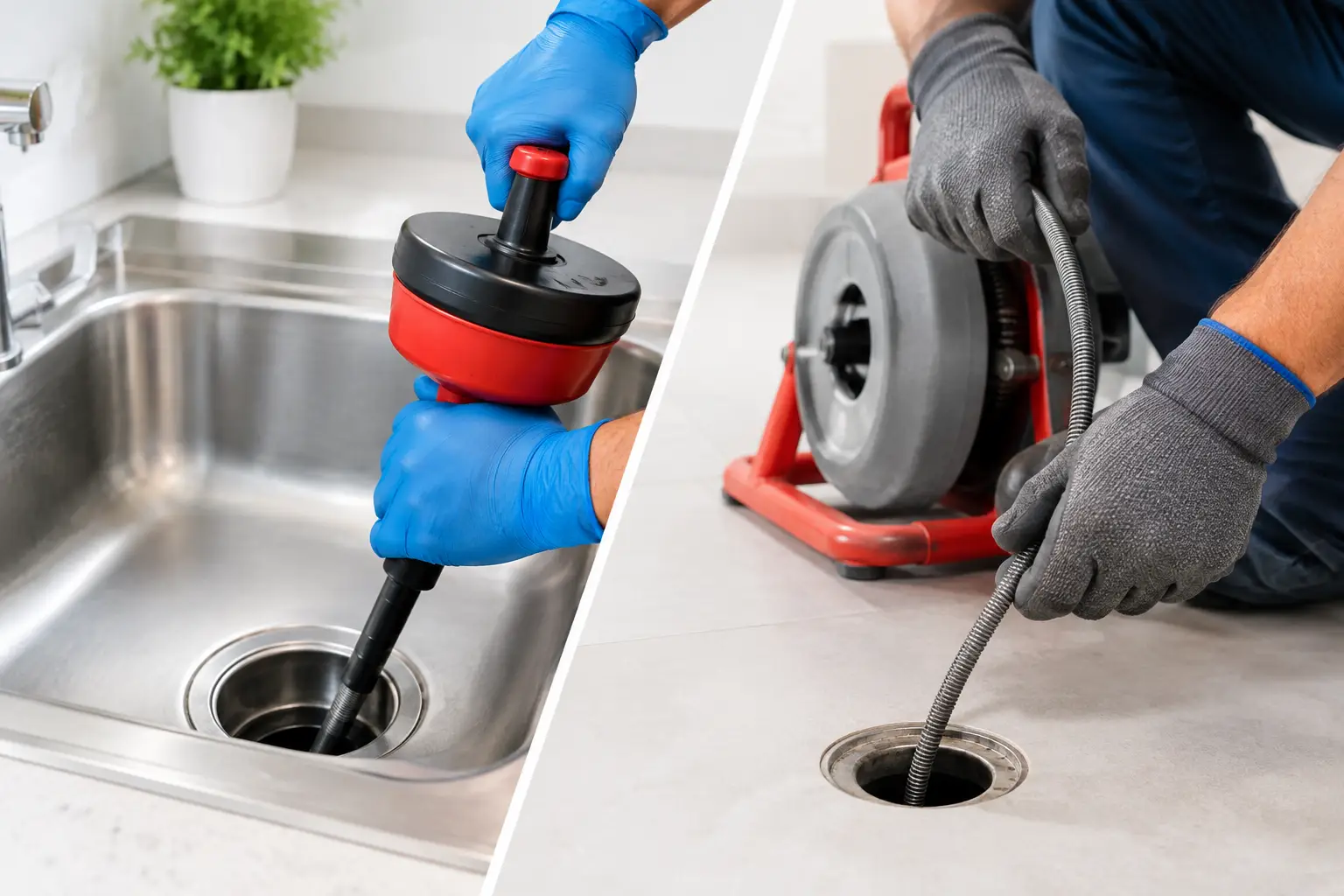
Drain snaking uses a flexible cable with a cutting or retrieval head. A plumber feeds the cable into the drain until it reaches the obstruction, then works through or pulls apart the material causing the blockage. Snaking is targeted. Its main job is to open a path through a localized clog so water can move again.
Drain cleaning is broader. Depending on the pipe and the problem, it may involve professional-grade cable equipment, drain machines, or high-pressure water jetting. The goal is not only to make a hole in the clog, but to remove grease, sludge, soap residue, scale, and debris along the inside of the pipe.
That distinction matters. A snake can often clear a wad of hair from a bathroom drain. It may not remove years of grease coating a kitchen line or heavy buildup restricting an older sewer pipe. Both services are useful. The correct one comes down to the condition of your drain line.
When Drain Snaking Is the Right Call
Drain snaking is often the practical first step when one fixture is draining slowly or completely stopped. A bathroom sink, tub, or shower commonly clogs with hair, toothpaste residue, soap scum, and small objects. In a kitchen sink, the obstruction may be food debris near the trap or farther down the branch line.
A professional drain cable can break apart the blockage or retrieve material that should not be in the line. This is usually a focused repair with less disruption than a full cleaning service. If the drain runs normally afterward and the issue does not return, snaking may be all that is needed.
Snaking is also a good option when the plumber can identify a clear, isolated blockage. For example, if only one bathroom sink is affected while the rest of the home drains properly, the problem is usually limited to that fixture's drain path rather than the main sewer line.
However, a snake does not always leave the pipe clean. It creates an opening through the obstruction. If grease or mineral scale is still clinging to the walls, water may flow for now but the line can close up again over time.
Signs Your Clog May Be Localized
One slow or backed-up fixture usually points to a local issue. A sink that stopped draining after a child dropped something into it is another common snaking situation. The same is true for a shower drain that gradually slows down from hair accumulation.
Do not assume every single-fixture clog is minor, though. A recurring clog in the same drain can mean the branch line has heavy buildup, improper slope, a damaged fitting, or a problem farther downstream.
When Full Drain Cleaning Makes More Sense
Drain cleaning is generally the better answer when several drains are slow, clogs keep returning, or wastewater backs up in a lower fixture when another appliance runs. Those symptoms can point to a blockage in a shared drain or the main sewer line.
Kitchen drains are a common example. Grease does not always cause an immediate stop. It coats the pipe gradually, catching food particles and reducing the inside diameter of the line. A cable can punch through the center, but a thorough cleaning is often needed to remove the buildup that caused the restriction.
Older homes around Albany, Colonie, Troy, Delmar, and East Greenbush can also have aging drain and sewer pipes. Cast iron can develop rough internal scale. Clay sewer lines may allow root intrusion through failed joints. Even newer homes can develop problems from wipes, hygiene products, excessive paper, or materials washed into a utility sink.
Professional cleaning can restore more of the pipe's usable diameter than basic snaking alone. If high-pressure water jetting is appropriate for the pipe condition, it can scour buildup from the walls and flush debris out of the line. It is not the first choice for every drain. The pipe material, age, existing damage, and type of blockage must be evaluated first.
Red Flags That Point to a Main Drain Problem
If your toilet bubbles when the tub drains, water appears in a shower after flushing, or multiple fixtures back up at once, treat it as a possible sewer-line issue. Stop running water where possible. Continued use can turn a drain problem into a wastewater cleanup problem.
Sewage odors, wet areas near a basement floor drain, and repeated backups after prior snaking also deserve prompt attention. These are situations where a professional diagnosis can prevent damage to floors, finished spaces, and personal belongings.
Why the Cheapest Drain Fix Can Cost More Later
Store-bought chemical drain cleaners are not a substitute for professional drain service. Many create heat or use corrosive ingredients that can damage certain pipes, seals, and fixtures. They are also dangerous to handle and can make later plumbing work less safe for anyone opening the drain.
A small hand snake can be useful for a simple hair clog near a shower drain, but it has limits. Pushing too hard can damage a fixture, get the cable stuck, or compact the blockage farther into the line. It will not diagnose a cracked pipe, roots in the sewer, or a line that has settled out of proper grade.
The lowest upfront price can also lead to a partial clearing. If the provider simply opens a narrow path without verifying the line's condition, you may be left with another backup and another service call. Clear scope matters: what is being cleared, what equipment is being used, and what happens if the drain cannot be restored with standard cleaning.
A Camera Inspection Removes Guesswork
When clogs return or a main drain has backed up, a sewer camera inspection can be the most valuable part of the visit. A small camera travels through the line and shows what is actually happening inside the pipe.
The inspection may reveal a mass of roots, heavy scale, grease, a broken section, a belly where the pipe holds water, or an offset joint. Each condition calls for a different solution. Roots may require cutting and ongoing maintenance. A collapsed or separated pipe may require repair rather than repeated cleaning. There is no benefit in selling a drain cleaning when the real issue is a damaged sewer line.
Diagnosis-first service protects homeowners from guesswork. It also helps set clear expectations before work begins, especially when a backup involves an older sewer connection or a finished basement.
What to Expect From Professional Drain Service
A proper service call starts with questions about which fixtures are affected, when the symptoms began, and whether there has been a prior backup. The plumber then checks accessible cleanouts and evaluates the drain layout before selecting equipment.
For a routine clog, the work may be straightforward: clear the line, test drainage, and explain what was removed or found. For a more complex blockage, the next step may be a camera inspection or a recommendation for additional cleaning, repair, or sewer work. You should know the scope and likely options before major work moves forward.
Trinity Plumbing & Drains approaches drain problems with licensed master plumber oversight, clean jobsite practices, and direct communication about what the line needs. That is especially important when a backup is urgent and there is no time for vague answers.
If water is rising, sewage is backing up, or several drains have stopped working, do not keep testing the system with more flushes or loads of laundry. Shut off water use where you can and call for fast professional help. A properly diagnosed drain repair can restore flow now and help keep the next backup from happening at the worst possible time.