
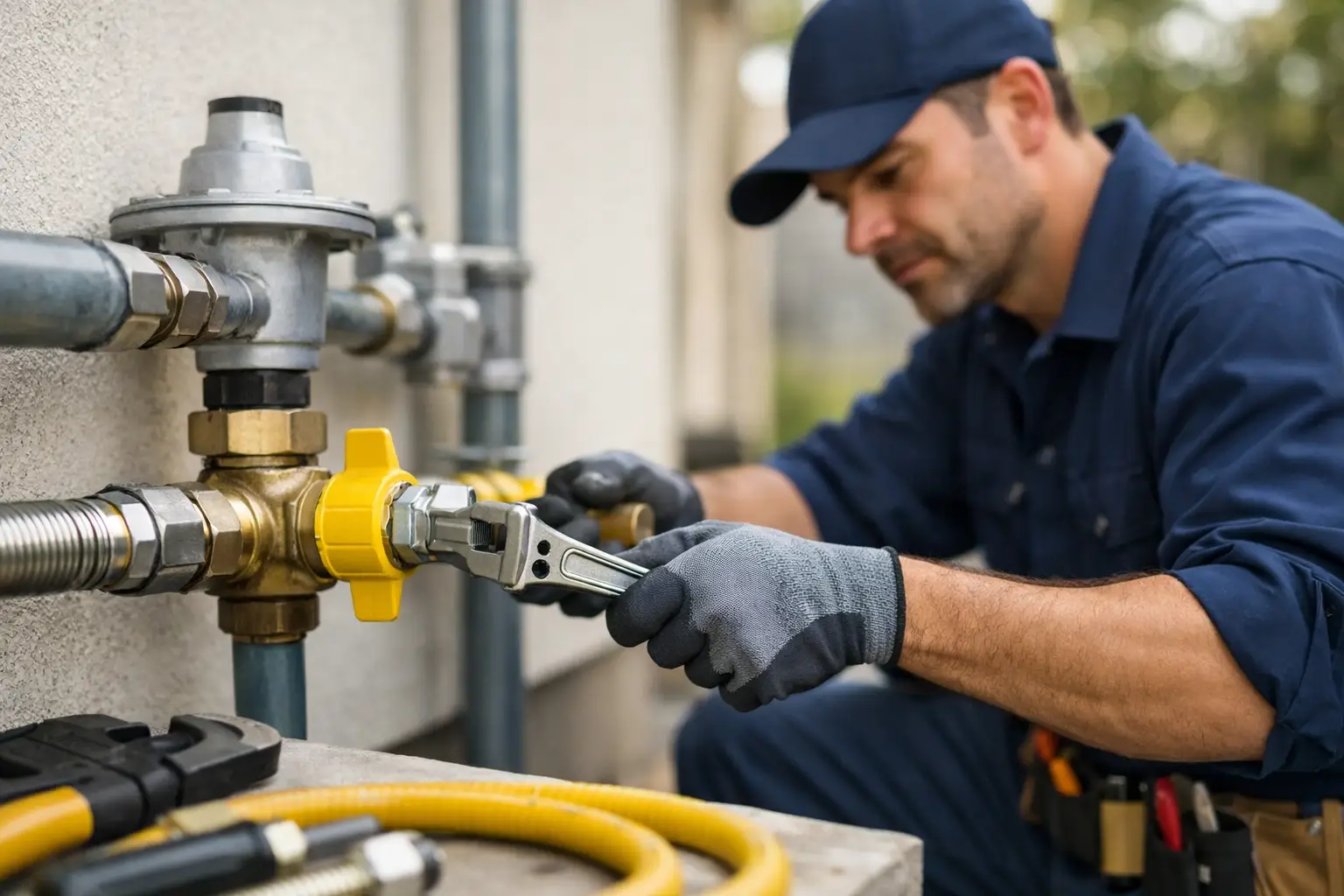
Gas Line Plumber Near Me: What to Look For
Searching for a gas line plumber near me? Learn what matters most, what to expect, and how to choose fast, code-compliant service.
A gas smell in the house changes the pace of everything. You are not comparison shopping at that point. You are searching for a gas line plumber near me because you need a qualified professional who can respond quickly, diagnose the problem correctly, and handle the repair safely.
That search should lead you to more than the closest name on a map. Gas line work is not a casual repair. It affects safety, code compliance, appliance performance, and in some cases whether your home can be occupied until the issue is resolved. If you are in Albany, Colonie, Troy, Delmar, or East Greenbush, it helps to know what separates a reliable gas line service call from a rushed guess.
When to call a gas line plumber near me
Some problems are obvious. If you smell gas, hear hissing near a line, or an appliance suddenly stops working the way it should, stop using the area and call for professional help right away. In a true emergency, leave the home if needed and follow utility safety guidance before any repair is attempted.
Other signs are less dramatic but still worth taking seriously. A new gas stove that needs a line installed, an aging connector that no longer looks right, a shutoff valve that is not operating properly, or repeated appliance issues can all point to a gas line problem. Homeowners sometimes assume the appliance itself is the issue when the real problem is supply pressure, a bad connection, an undersized line, or a code problem left behind from older work.
That is why diagnosis comes first. A proper service call starts with identifying the actual fault, not jumping straight to the fastest repair on the truck.
What matters most when choosing a gas line plumber
Speed matters, but speed by itself is not enough. Gas line work needs to be done by a licensed professional who understands residential piping, pressure testing, shutoff requirements, venting coordination, and local code expectations.
A good company will be clear about scope before work starts. That means explaining whether the issue is a repair, a replacement, a new line installation, or a broader safety correction. It also means explaining what can be confirmed immediately and what may require additional testing or access.
Insurance and clean workmanship matter more than many homeowners realize. A gas line repair can involve opening walls, working in basements or crawl spaces, coordinating appliance connections, and restoring safe operation at the end of the visit. You want a contractor with a process, not someone improvising in your home.
If a company is vague on licensing, permits, testing, or who is actually responsible for the work, keep looking. Cheap gas work often gets expensive later.
What to expect on a professional gas line service call
A professional visit should feel organized from the start. First, the plumber identifies the complaint, asks the right questions, and evaluates the condition of the affected line or appliance connection. Then they verify what is actually happening rather than assuming the first visible issue is the whole problem.
If there is a leak, the line may need to be isolated and tested. If an appliance is being added, the plumber should confirm the demand, line sizing, shutoff placement, and connection requirements. If the system is older, they may also identify related components that are no longer safe or compliant.
After that, the next step should be straightforward. You should know what the problem is, what repair or installation is recommended, whether any permit or inspection requirement applies, and what the work area will involve. Good communication reduces confusion and helps you make a decision quickly.
That process is especially important on urgent calls. Fast response does not mean skipping steps. It means moving efficiently without cutting corners.
Gas line repair vs. replacement
Not every gas line problem needs a full replacement. Sometimes the issue is limited to a fitting, valve, connector, or short accessible section of pipe. In those cases, a targeted repair may be the right move if the rest of the system is in good condition and the repair can be completed safely and to code.
Other situations point toward replacement. Corrosion, repeated leaks, poor prior workmanship, improper materials, or lines that were never sized correctly for the appliance load can all make replacement the smarter choice. If a homeowner is adding a new range, dryer, generator connection, or outdoor appliance, a new dedicated line may also be necessary.
This is where experience matters. The cheapest fix is not always the lowest-cost outcome. A short-term patch on a failing gas line can create more service calls, more disruption, and more risk.
Gas appliance installs need more than a hookup
Many homeowners search for a gas line plumber near me when replacing a stove, converting to a gas dryer, or installing a new water heater. That makes sense, but the work is often more involved than simply connecting a flex line.
The existing gas line has to be appropriate for the appliance. Shutoffs need to be in the right place. Connections need to be tested. In some cases, the total system load changes enough that sizing becomes part of the job. A proper install should leave the appliance operating safely and the homeowner clear on what was done.
This is also where code compliance matters. Improper gas appliance connections can create fire risk, performance problems, failed inspections, and future issues when the home is sold. Doing it correctly the first time saves time and aggravation.
Why local response matters in Albany-area homes
Older homes in the Capital Region can come with a mix of original piping, partial updates, basement routing challenges, and repairs done by multiple contractors over time. That makes local experience useful. A plumber who regularly works in Albany-area homes is more likely to recognize common line layouts, access problems, and upgrade needs.
Weather matters too. Emergency calls do not wait for a convenient time, and utility-related issues can become more disruptive during colder months when heating systems are under heavier demand. A company built around fast residential response is generally better equipped for those situations than a contractor who treats service work as secondary.
For homeowners, that often means less delay, clearer answers, and a smoother path from diagnosis to repair.
Red flags during your search
If you are searching quickly, it helps to know what should make you pause. Be cautious if a contractor gives a firm price without seeing the condition of the line, avoids questions about licensing or insurance, or talks about gas work as if permits and testing are optional details.
Another red flag is pressure without explanation. You should get a clear reason for the recommended repair, not just a vague warning that everything is dangerous and must be replaced immediately. Gas line issues are serious, but serious work still requires a defined scope and a professional explanation.
You should also expect respect for your home. Clean jobsite practices, orderly work, and clear communication are signs of a company that takes the job seriously.
What homeowners can do before the plumber arrives
Your main job is safety. If you suspect a leak, do not try to repair anything yourself. Do not start disconnecting appliances or testing fittings on your own. Leave the area as needed, avoid anything that could create ignition risk, and be ready to explain what you noticed and when it started.
If the issue is not an active emergency, clear access to the appliance, basement piping, or utility area can help the visit move faster. It is also helpful to note whether the problem started after another repair, appliance replacement, renovation, or utility interruption.
That kind of information helps with diagnosis. It does not replace testing, but it can point the plumber in the right direction sooner.
Choosing the right company for the job
The best choice is usually not the company with the flashiest ad or the lowest teaser price. It is the one that can respond quickly, diagnose the problem correctly, explain the scope clearly, and complete the work in a way that is safe, clean, and code-compliant.
That is the standard homeowners should expect from gas line service. Trinity Plumbing & Drains approaches these calls with that kind of process because gas work is not a place for guesswork or shortcuts.
If you are searching for a gas line plumber near me, trust the company that treats the visit like a safety-critical service call, not just another quick repair. The right plumber will make the situation feel more manageable by being clear, prepared, and ready to fix the problem the right way.