
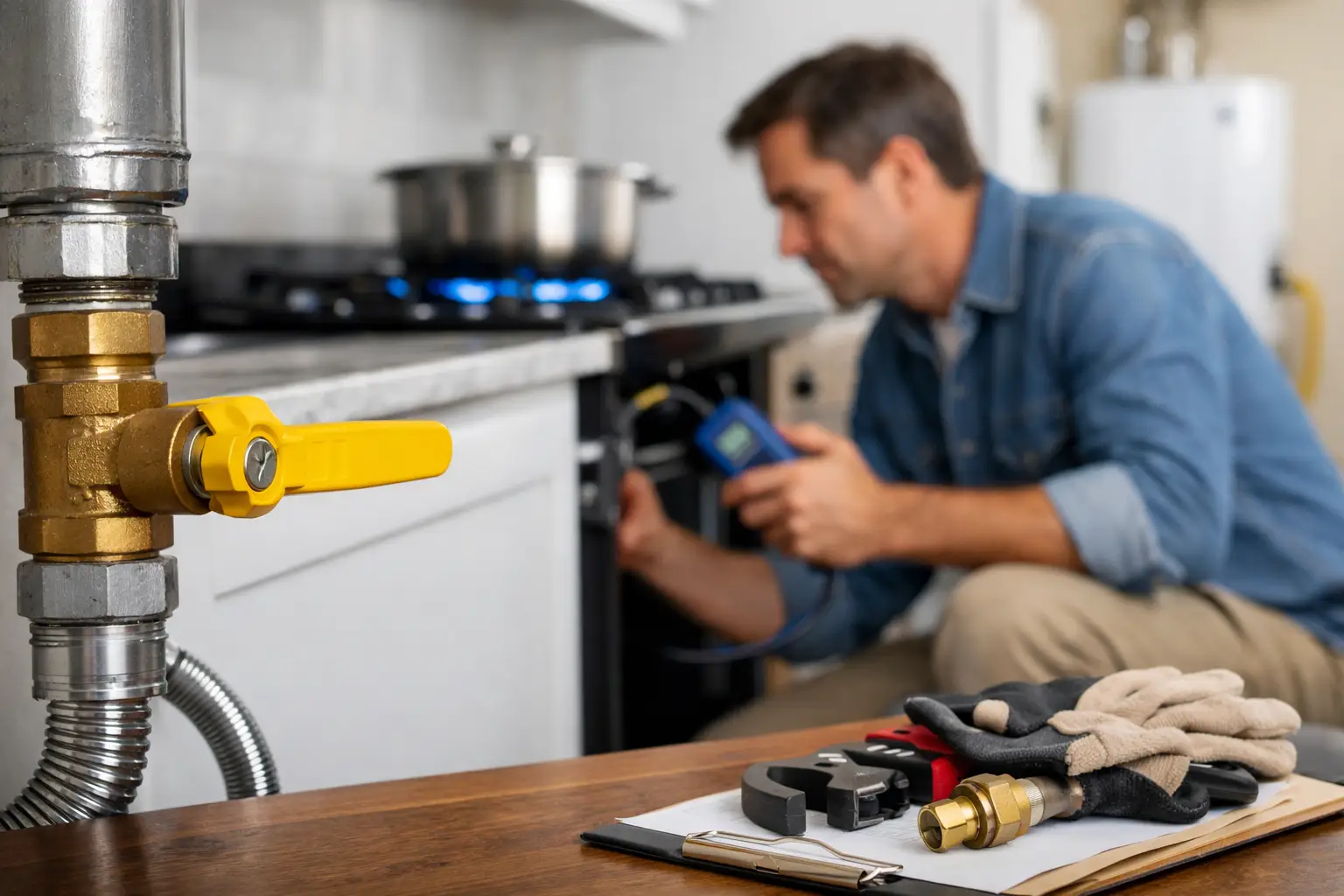
Homeowner’s Guide to Gas Line Safety
A practical guide to gas line safety for homeowners. Learn warning signs, emergency steps, inspection needs, and when to call a licensed pro.
A gas leak rarely starts with drama. More often, it starts with a faint sulfur smell near the stove, a hissing sound by the meter, or a water heater that suddenly stops acting right. That is why a clear guide to gas line safety matters for homeowners. When natural gas piping has a problem, guessing is not a safe plan.
For most Albany-area homeowners, the goal is simple - know what is normal, recognize what is not, and act fast if something feels off. Gas systems are reliable when they are installed correctly, protected from damage, and repaired to code. The trouble starts when warning signs get ignored, old piping is disturbed during another project, or someone tries a shortcut repair.
What gas line safety actually means
Gas line safety is not just about preventing a major leak. It is also about making sure every part of the system is operating as intended - piping, shutoff valves, appliance connectors, venting, pressure, and code-required clearances. A line can be small enough to avoid immediate panic and still be dangerous.
In a typical home, gas may serve the furnace, boiler, water heater, stove, dryer, or fireplace. If one section of piping is undersized, corroded, loose, or improperly altered, it can affect appliance performance and create a hazard. That is why safe gas work starts with diagnosis, not assumptions.
Common signs something is wrong
The strongest red flag is the rotten egg smell added to natural gas. If you smell it indoors or around the meter, take it seriously right away. A hissing sound near a gas line, visible corrosion on exposed piping, a pilot light that keeps going out, or appliances that suddenly burn with unusual yellow or orange flames can also point to a problem.
Some signs are less obvious. You may notice higher gas bills without a clear reason, soot around an appliance, or a gas fireplace that does not start consistently. In some homes, a line issue shows up after remodeling, basement finishing, or appliance replacement. A new range or dryer can expose an old connection that was barely holding on.
Not every performance problem means there is an active leak. Sometimes the issue is a failing valve, poor combustion, improper connector installation, or a sizing problem in the branch line. It depends on the age of the home, the condition of the piping, and whether any unpermitted work was done in the past.
Your first steps if you smell gas
If you suspect a gas leak, leave the area first. Do not stop to investigate closely. Do not use light switches, outlets, garage door openers, or anything that could create a spark. Avoid phones inside the house as well. Get everyone out, including pets, and move to a safe distance.
Once you are outside, call the gas utility and emergency services if needed. If the source appears to be inside the home or the smell is strong, treat it as urgent. After the area is made safe, a licensed professional can inspect the piping, identify the fault, and make the necessary repair.
Homeowners sometimes ask whether they should shut off the gas themselves. If you already know where the shutoff is, can access it safely, and do not have to pass through a heavily affected area, that can be appropriate. But if there is any doubt, do not put yourself at risk trying to play utility technician.
A guide to gas line safety during normal homeownership
Most gas line problems are easier to prevent than to fix after the fact. A good guide to gas line safety includes routine awareness, especially in older homes where piping may have decades of wear. You do not need to inspect the system like a tradesperson, but you should know what deserves a call.
Pay attention to exposed black iron piping in basements, utility rooms, and near appliances. Surface rust, loose supports, impact damage, or makeshift modifications are reasons for concern. Flexible appliance connectors should not be kinked, stretched, or run through walls or floors where they do not belong.
If you are replacing an appliance, adding a gas dryer, converting to a gas range, or installing an outdoor line for a grill or generator, that is not a handyman gamble. Pipe sizing, shutoff placement, sediment traps, pressure testing, and permit requirements all matter. A line that technically reaches the appliance may still be wrong for the load or violate code.
Why DIY gas work is a bad bet
Homeowners are used to handling minor repairs around the house. Gas piping is different. The margin for error is smaller, and the consequences are not limited to one fixture not working. A loose fitting, the wrong pipe dope, an unapproved connector, or improper testing can create a dangerous condition.
There is also the code side of it. Gas line installation and repair may require permits, inspections, and documented pressure testing depending on the job. If work is done incorrectly, it can delay a home sale, create insurance problems, or leave hidden safety issues behind the walls.
That does not mean every gas concern turns into a major repipe. Sometimes the fix is straightforward - replacing a valve, correcting a bad connection, or repairing one damaged section. The point is that the system should be diagnosed properly before anyone starts turning wrenches.
Where gas line issues tend to show up
In residential homes, trouble often shows up at transition points. Appliance shutoffs, connectors, threaded fittings, and older branch lines are common problem areas. Basement storage can also create issues when boxes, tools, or other items strike exposed piping.
Outdoor sections deserve attention too. Meter piping can be affected by corrosion, shifting soil, snow and ice, or accidental contact during landscaping. In this part of New York, freeze-thaw cycles and older housing stock can make existing weaknesses more noticeable over time.
Renovation work is another frequent trigger. A plumber, HVAC tech, or contractor may uncover a gas line that was added years ago without proper support or sizing. Once walls or ceilings are opened, hidden shortcuts have a way of becoming visible.
What a professional inspection should cover
A proper gas line service call should not start with a guess. It should start with locating the problem, checking the condition of the system, and defining what is actually needed. That may include leak detection, pressure testing, checking shutoff valves, reviewing appliance connections, and verifying code compliance where repairs or changes are involved.
If a repair is needed, the scope should be clear. Homeowners should know whether the issue is isolated or part of a larger pattern, whether a permit is required, and whether the repair affects appliance operation or venting. Straight answers matter here. So does clean workmanship and respect for the home.
That process is one reason many homeowners call a company like Trinity Plumbing & Drains for gas line issues. Fast response matters, but so does having a licensed professional diagnose the problem correctly before a repair is made.
How to keep your gas system safer over time
You do not need a complicated maintenance plan. What helps most is staying alert to changes and not delaying service when something is off. If an appliance is being replaced, make sure the gas connection is evaluated as part of the job. If you are finishing a basement or reworking utility areas, protect exposed piping and confirm clearances.
It is also smart to know the location of your gas shutoff and keep the area around the meter accessible. Do not store clutter around gas appliances or block service access. And if your home has older piping, especially in a house that has seen multiple additions or remodels, periodic professional review makes sense.
A safe gas system is not about worrying every day. It is about respecting the signs, using licensed help when the stakes are high, and fixing problems before they become emergencies. If you ever smell gas or suspect a line issue, trust that instinct and act quickly. That decision can protect your home, your family, and a lot more than a repair bill.