
Homeowner Guide to Emergency Plumbing
A homeowner guide to emergency plumbing: what to shut off, what to avoid, and when to call for fast, code-compliant repair in Albany homes.
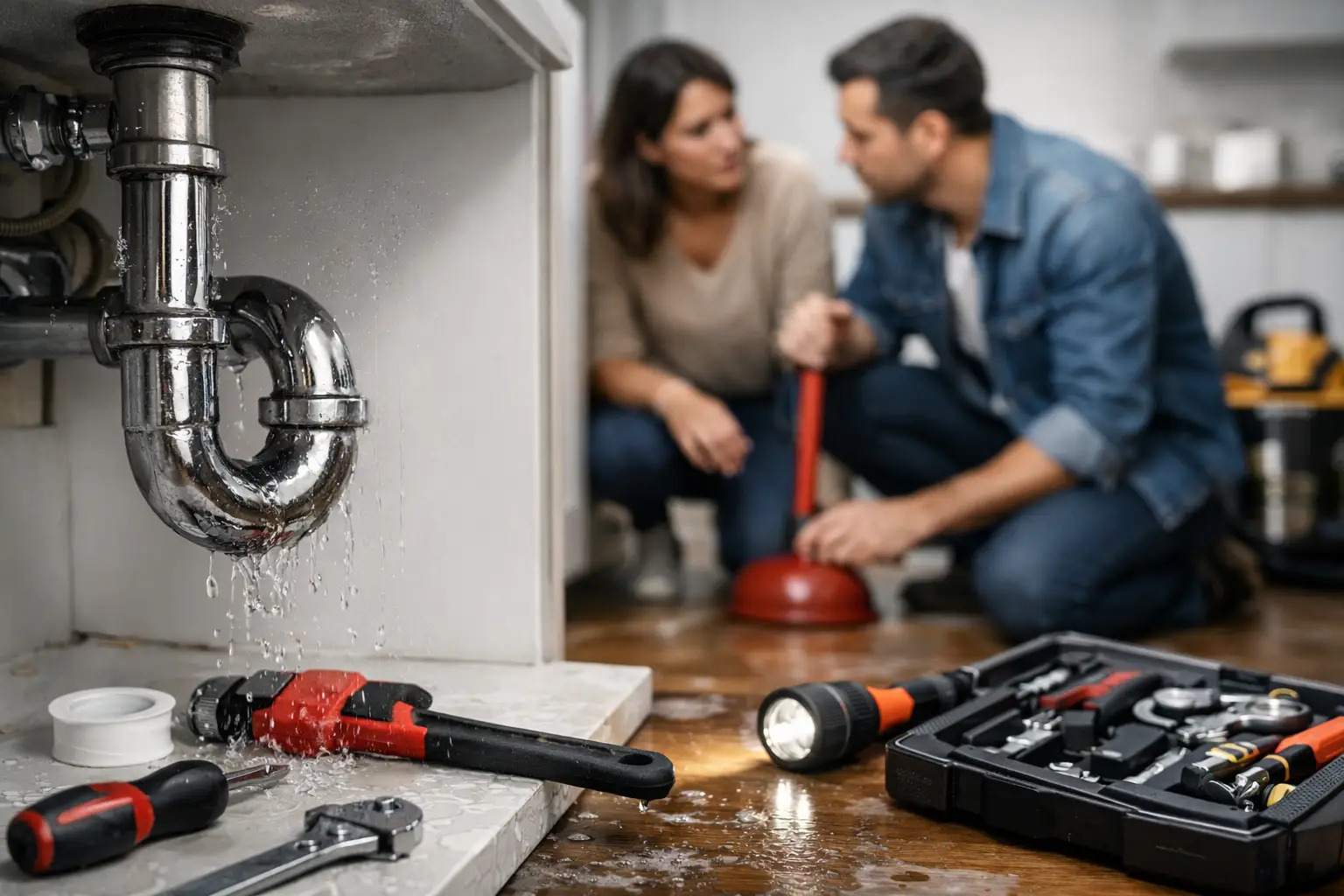
A toilet overflows on a Sunday night. A pipe lets go under the kitchen sink. The basement starts taking on water during a hard rain. This homeowner guide to emergency plumbing is built for that exact moment - when you need to act fast, limit damage, and make smart decisions without guessing.
Most plumbing emergencies are not just inconvenient. They can damage floors, drywall, cabinets, electrical systems, and stored belongings within minutes. The right first move matters more than most homeowners realize. If you know what to shut off, what to avoid, and when to call for professional help, you can reduce the damage and make the repair process much more straightforward.
A homeowner guide to emergency plumbing starts with control
In a real plumbing emergency, your first job is not to diagnose the entire system. It is to control the situation. That usually means stopping water flow, protecting the area, and avoiding anything that could make the problem worse.
If water is actively running where it should not be, shut off the nearest fixture valve first if you can reach it safely. That might be the shutoff under a sink or behind a toilet. If that valve is stuck, leaking, or not working, go straight to the main water shutoff for the house. Every homeowner should know where that valve is before an emergency happens. In many Albany-area homes, that location depends on the age and layout of the property, so it is worth checking now, not later.
Once the water is off, move rugs, towels, boxes, or anything else that can absorb water or get damaged. If the leak is near electrical outlets, appliances, or your panel, do not step into standing water to investigate. Shut off power to the affected area only if you can do it safely from a dry location. If you are not sure, wait for a professional.
Then take a breath and look at what actually happened. A clean supply line leak is different from a sewage backup. A failed water heater is different from a clogged main drain. The response should match the problem.
Know the difference between urgent and truly hazardous
Not every plumbing problem is a middle-of-the-night emergency, but some are. The key is understanding the level of risk.
A burst pipe, sewer backup, no working toilets in a one-bath home, flooding from a failed sump pump, and any suspected gas line issue should be treated as immediate problems. These involve either active property damage, sanitation concerns, or safety hazards. Waiting usually increases the cost and the disruption.
Other issues can sometimes be contained until regular service hours. A slow drain in one sink, a dripping faucet, or a toilet that still works but runs constantly may be urgent to fix, but they are not always emergency calls. It depends on severity, how much water is escaping, and whether the home can still function safely.
That distinction matters because homeowners often go wrong in one of two ways. Some wait too long on problems that are clearly escalating. Others panic and start taking things apart without knowing the source of the issue. Neither helps.
The most common emergency plumbing problems in local homes
In this area, emergency calls often come from a handful of repeat problems. Frozen or burst pipes are a major one during cold weather. When temperatures drop, exposed lines in basements, crawl spaces, exterior walls, or unheated sections of the home are at risk. Sometimes the pipe does not split until thawing begins, which catches homeowners off guard.
Drain and sewer backups are another common issue. If more than one fixture is backing up, or if flushing one toilet causes water to rise somewhere else, the problem may be in the main line, not just the individual drain. That is not a plunger problem. It needs proper diagnosis.
Water heater failures also create emergency conditions, especially when the tank is leaking or the unit has shut down completely in winter. No hot water is disruptive enough. A leaking tank adds property damage to the mix and often means replacement is close.
Sump pump problems are especially stressful during heavy rain or snowmelt. If the pit is full and the pump is not moving water out, the basement can flood fast. In homes with finished lower levels, the stakes are even higher.
Gas line issues belong in a separate category because they are about safety first. If you smell gas, leave the area, avoid using switches or flames, and get help immediately. That is not a wait-and-see situation.
What homeowners should do right away
The practical side of any homeowner guide to emergency plumbing is knowing the next few steps without overcomplicating it. Start with the shutoff. If the problem involves fresh water, shut off the local valve or main water supply. If the issue is a water heater, many cases call for shutting off the water supply to the unit and, depending on the type, turning off the power or gas as well. If you are unsure how to do that safely, stop there and call.
After that, contain what you can. Use towels, buckets, and basic cleanup to limit spread. If a drain is backing up, stop using all connected fixtures. Homeowners often make a bad backup worse by continuing to run sinks, showers, dishwashers, or washing machines. Once the line is blocked, that water has nowhere good to go.
Take clear photos if the area is safe. That can help document damage and give the plumber a better sense of what happened before arrival. Then clear a path to the problem area. Move stored items away from the water heater, under-sink cabinet, cleanout, or sump pit so the technician can get to work quickly.
What not to do during an emergency
This is where a lot of damage gets multiplied. Chemical drain cleaners are one of the biggest mistakes. If the drain is fully blocked, those chemicals often sit in the line, do not solve the clog, and create a harsher work environment when someone has to open or cable the drain later. They can also damage some piping.
Do not keep flushing a backed-up toilet to see if it will clear itself. It usually will not. Do not cut into drywall, remove plumbing parts, or crank harder on old shutoff valves unless you know exactly what you are doing. A stuck valve can become a broken valve quickly.
It is also a mistake to focus only on the visible symptom. Water on the floor near a bathroom does not always mean the toilet is the source. A wet basement does not always mean the sump pump is the only problem. Diagnosis comes before repair for a reason. Replacing the wrong part wastes time when the actual issue is still active.
What to expect when you call for emergency plumbing service
Good emergency plumbing service should reduce confusion, not add to it. The process should be clear. First, the problem gets triaged based on safety, water damage risk, and system impact. Then the plumber identifies the actual source, not just the symptom. After that, you should get a straightforward explanation of what was found, what needs to happen now, and whether there are repair options depending on the condition of the system.
In many emergency calls, the immediate goal is to stabilize the home first. That may mean stopping a leak, restoring drainage, isolating a failed fixture, or getting a sump system operational again. Full repair or replacement decisions can come after the emergency is under control, but the initial work still needs to be done correctly and to code.
That matters with water heaters, gas lines, sump pump systems, and sewer repairs in particular. A rushed patch that ignores code, permitting, or system condition can turn one emergency into two.
How to prepare before the next emergency happens
The best time to get ready for a plumbing emergency is when nothing is wrong. Locate your main water shutoff and make sure adults in the house know where it is. Check whether fixture shutoffs under sinks and behind toilets actually turn. Label the breaker for your water heater if it is electric. If you have a sump pump, test it periodically and confirm the discharge line is clear.
It also helps to pay attention to warning signs that homeowners often ignore. Slow drains in multiple fixtures, gurgling toilets, recurring clogs, rust-colored hot water, damp spots around the water heater, and unexplained increases in the water bill all deserve attention before they turn urgent.
If your home is older, preventive inspection becomes even more valuable. Aging valves, corroded water lines, failing drain assemblies, and outdated sump setups rarely improve on their own. They tend to fail on weekends, holidays, or during bad weather.
For homeowners in Albany, Colonie, Troy, Delmar, and East Greenbush, emergency plumbing is not just about speed. It is about getting the right diagnosis and a repair plan that makes sense for the home. Trinity Plumbing & Drains is built around that kind of response - fast, clear, and code-compliant without the runaround.
A plumbing emergency is stressful enough. The most helpful move is usually the simplest one: stop the water, stop using the affected system, and get qualified help before a manageable problem turns into a major cleanup.