
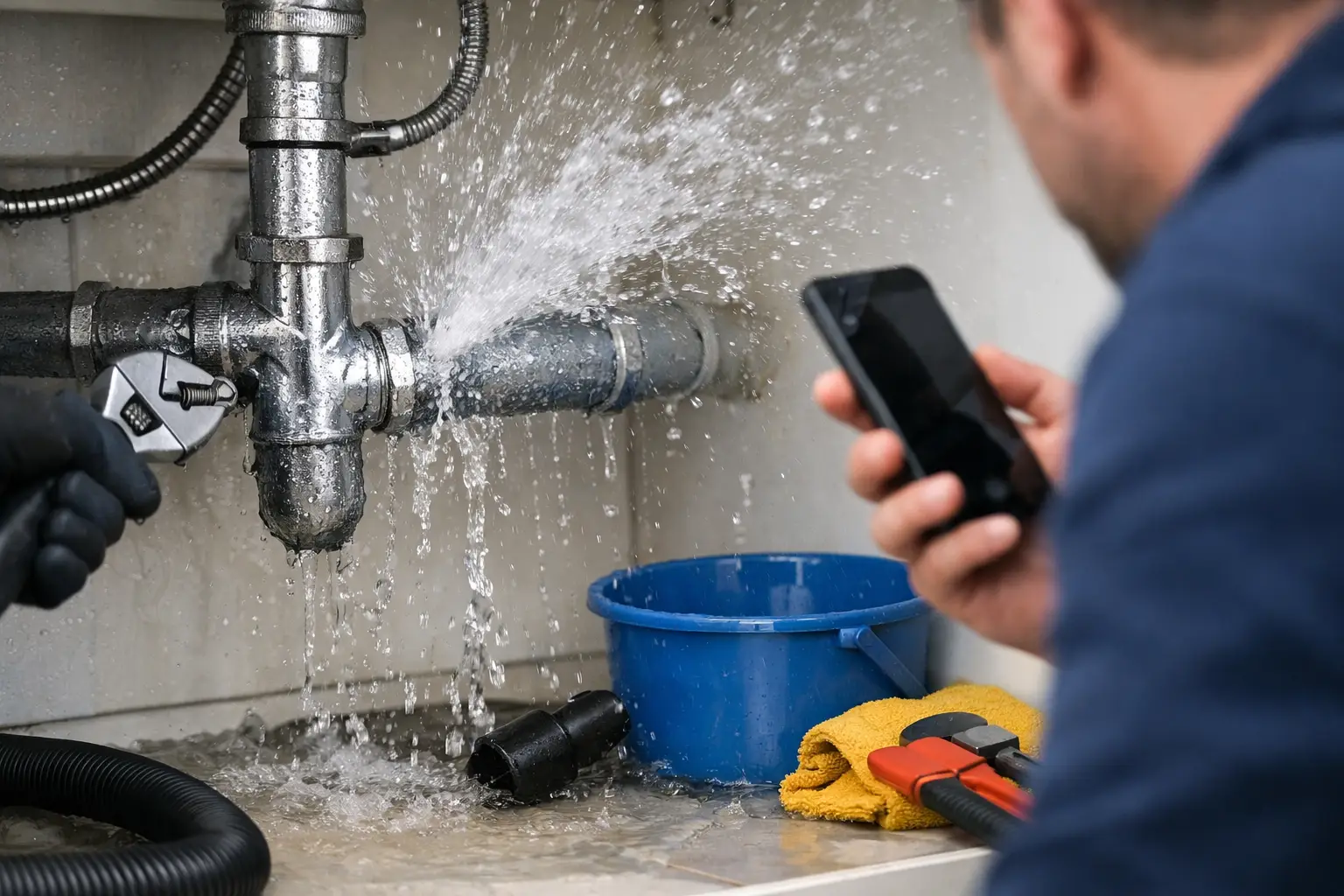
How to Handle Burst Pipes Fast
Learn how to handle burst pipes fast with practical steps to limit water damage, protect your home, and know when to call a licensed plumber.
A burst pipe usually starts with a sound you do not want to hear - rushing water behind a wall, a sudden drip from the ceiling, or a basement floor getting wet fast. If you are searching for how to handle burst pipes, the first priority is simple: stop the water, protect the home, and get the right repair in motion before a plumbing problem turns into structural damage.
Panic makes people lose time. A burst pipe is urgent, but the right first steps are straightforward. What matters most is acting in the right order.
How to handle burst pipes in the first 10 minutes
Start by shutting off the main water supply to the house. If you already know where that valve is, go there first. In many homes, it is near the water meter, where the main line enters the basement, crawl space, or utility area. Turn the valve all the way off.
If water is spraying near electrical outlets, appliances, or your panel, do not step into standing water to reach anything. Shut off power to the affected area only if you can do it safely from a dry location. If that is not possible, leave it alone and call for help immediately.
Once the main water is off, open nearby faucets to drain the remaining water from the plumbing lines. This helps relieve pressure and slows additional leaking. If the burst happened during freezing weather, keep the heat on. A cold house can make a bad situation worse by putting more sections of pipe at risk.
Then move quickly to contain damage. Use towels, buckets, a wet vacuum, or anything practical to collect water and keep it from spreading into flooring, trim, drywall, and furniture. If the leak is under a sink or in a mechanical space, clear that area so the plumber can access it without delay.
What causes a pipe to burst
Frozen pipes are one of the most common causes in the Albany area, especially during hard winter swings. Water expands as it freezes, and that pressure can split copper, PEX fittings, or older galvanized lines. The actual break does not always happen while the pipe is frozen. Sometimes the line cracks under pressure, then starts leaking heavily once it thaws.
But freezing is not the only cause. Corrosion in older piping can weaken a section until it fails. High water pressure can stress joints and fittings. Poor previous repairs, shifting pipes, clogged lines, or worn shutoff valves can also contribute. In some homes, a pipe bursts because a small leak was ignored until the material around it gave out.
That is why a real diagnosis matters. Stopping the visible leak is only part of the job. You also need to know why the line failed and whether other sections are at risk.
What not to do after a pipe bursts
A lot of water damage gets worse because homeowners try to improvise a permanent fix. Tape, sealants, and hardware-store clamps may slow a leak in some situations, but they do not replace a proper repair. If the pipe split because of freezing, corrosion, or pressure issues, a quick patch may hold for an hour or fail again the same day.
Do not cut into drywall blindly if you are not sure where the leak is coming from. Water travels. A stain on one side of the room may be caused by a pipe break somewhere else. Opening the wrong section creates more cleanup without improving access.
Do not assume the problem is over once the water stops. Hidden moisture inside walls, ceilings, cabinets, and flooring can lead to swelling, mold, and electrical risk. If a burst pipe soaked a concealed area, it needs proper inspection and drying.
Temporary steps while you wait for a plumber
If the break is visible and easy to reach, you may be able to reduce active dripping with a temporary pipe repair clamp or a rubber patch secured tightly over the damaged spot. This is a short-term measure only. It can buy time, but it is not a finished repair.
If the burst pipe is in an exposed area such as a basement ceiling or utility room, place a bucket under the leak and protect the floor. If water is pooling near finished materials, lift what you can off the ground. Rugs, boxes, and wood furniture absorb water fast and get damaged fast.
Take clear photos of the affected area once the immediate emergency is under control. That can help with documentation if you need to review damage later. More importantly, it gives the plumber a quick view of what happened if the leak changes before arrival.
Signs the burst pipe damage is larger than it looks
Some burst pipes announce themselves with obvious flooding. Others are quieter and more deceptive. A musty smell, bubbling paint, warped baseboards, stained ceilings, or low water pressure after a freeze can all point to hidden pipe damage.
If one fixture stops working normally after cold weather, or if you notice water marks around exterior walls, do not assume it is minor. A pipe can crack in a wall cavity and leak for hours before you see where the water ends up. By then, insulation, framing, and drywall may already be wet.
Homes with older plumbing deserve extra caution. A single failure can point to broader wear in the system, especially if the piping material is aging or if past work was pieced together over time.
How a professional handles burst pipe repair
A proper service call starts with confirming the failure point and checking for secondary damage. That means identifying whether the issue is a localized split, a failed fitting, freeze damage in multiple sections, or a pressure-related problem that could affect other lines.
From there, the damaged pipe is isolated and repaired or replaced with the correct materials. In some cases, a short section can be cut out and rebuilt. In others, especially with brittle or corroded piping, replacing a larger run is the better call. It depends on the condition of the line, the accessibility of the area, and whether the original piping is still reliable.
Good repair work is not just about stopping the leak. It needs to be code-compliant, properly supported, and tested before the wall or ceiling is closed back up. If freezing caused the failure, the plumber should also look at insulation gaps, airflow issues, and vulnerable pipe placement so the same problem does not repeat.
How to handle burst pipes in winter
Winter changes the risk level. If a pipe burst during freezing weather, there may be more than one weak section in the home. That is why turning the water back on too quickly without inspection can be a mistake. One repaired line does not guarantee the rest of the system is safe.
Keep cabinet doors open under sinks on exterior walls to let warmer indoor air circulate if temperatures are dropping. Maintain heat in the house, even if you are away. If you have pipe areas in crawl spaces, rim joists, garages, or unfinished basements, those spots often need special attention.
If the house has already been cold for an extended period, ask for a full check of exposed and vulnerable supply lines. It is better to catch a stressed section early than wait for the next break.
When to call right away
Some burst pipe situations are not wait-and-see problems. Call immediately if water is actively spraying, if the leak is inside a wall or ceiling, if there is any electrical concern, or if the home has repeated freeze-related pipe issues. The same goes for finished basements, hardwood flooring, and areas where water can spread into multiple rooms fast.
This is also one of those jobs where licensed oversight matters. A burst pipe repair may involve opening walls, replacing fittings, checking pressure, and making sure the fix is safe and compliant. Fast service is important, but so is getting the repair done correctly the first time, without guesswork.
For homeowners in Albany, Colonie, Troy, Delmar, and East Greenbush, a burst pipe is not just a plumbing inconvenience. It can become a major home repair if the response is slow or incomplete. Trinity Plumbing & Drains approaches these calls the right way - stop the damage, diagnose the cause, and repair the system clearly and correctly.
Preventing the next burst pipe
The best prevention is usually not dramatic. Know where your main shutoff is. Insulate exposed pipes in vulnerable areas. Seal drafts near plumbing runs. Keep indoor temperatures stable during cold snaps. If you have had previous freeze-ups, low pressure, or unexplained leaks, get the system checked before winter pushes it into failure.
It also helps to pay attention to warning signs people often brush off, like rattling pipes, small corrosion spots, slow drips, or valves that no longer close smoothly. Burst pipes rarely feel minor after the fact, and a small plumbing concern is always easier to handle before it becomes an emergency.
When water is coming through a wall or across a floor, speed matters. But the right kind of speed matters more - shut it down, protect the space, and get a proper diagnosis so the fix holds after the emergency is over.