
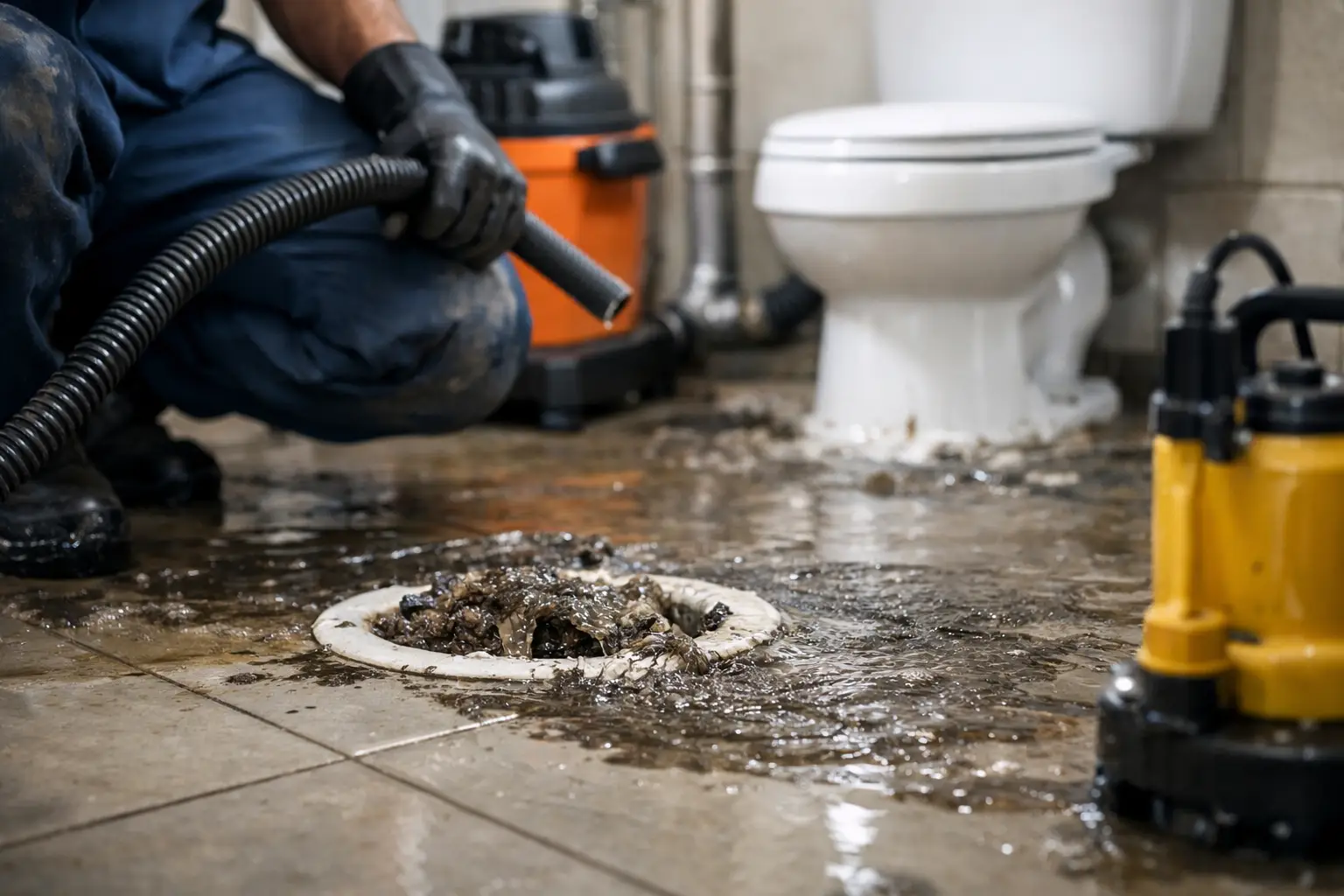
How to Stop Sewer Backup at Home
Learn how to stop sewer backup at home with practical steps, warning signs, and when to call a licensed plumber before damage gets worse fast.
Sewer backup usually starts with something small that gets ignored - a basement drain that gurgles, a toilet that bubbles when the shower runs, a tub that drains slower than it did last week. Then one day wastewater comes up where it should be going down. If you are searching for how to stop sewer backup, the first priority is simple: prevent more water from entering the system and get the cause diagnosed before the damage spreads.
What to do first when sewage starts backing up
If sewage is coming up through a floor drain, toilet, shower, or tub, stop using water in the house right away. Do not flush toilets, run sinks, start the dishwasher, or do laundry. Every gallon you send into the drain system can push more wastewater back into your home.
Keep people and pets out of the affected area. Sewer water is contaminated, and cleanup is not just about drying the floor. If the backup is near electrical outlets, appliances, or your panel, stay clear until it is safe. In a basement, that can become a serious hazard fast.
At this stage, many homeowners want a quick fix, but the right next step depends on where the blockage is. A single slow sink points to a local drain issue. Multiple fixtures backing up at once usually means the problem is farther down the line, often in the main sewer.
How to stop sewer backup before it gets worse
The biggest mistake homeowners make is treating a sewer backup like a regular clog. A plunger may help a single toilet clog. It will not solve a main line blockage caused by roots, grease, a sagging pipe, or a broken sewer line.
If more than one drain is affected, avoid chemical drain cleaners. They rarely clear a sewer line stoppage, and they can make the situation more dangerous for anyone who has to open the line and work on it. What you need is a clear diagnosis, not guesswork.
If your home has an accessible main cleanout, that is often where a licensed plumber will start. Opening the cleanout can confirm whether the blockage is holding in the house line or farther toward the street. This is not always a safe DIY step, especially if the line is under pressure. A backed-up cleanout can release sewage suddenly.
The most effective way to stop the backup is to remove the obstruction and verify the condition of the pipe. That usually means professional drain cleaning with the right cable machine or jetting equipment, followed by a sewer camera inspection if the cause is not obvious. In many homes, especially older properties around Albany and nearby communities, recurring backups come from underlying pipe problems rather than one-time clogs.
Common causes of sewer backup
A sewer backup has to be solved at the source. Here are the most common causes homeowners deal with.
Main sewer line clogs
This is the most common reason sewage backs up into lower fixtures. Toilet paper buildup, wipes, grease, sludge, and debris can create a blockage that stops wastewater from leaving the home. When that happens, the lowest drain usually shows the problem first.
Tree root intrusion
Roots naturally move toward moisture. If your sewer line has small cracks or loose joints, roots can enter and grow inside the pipe. At first they slow drainage. Over time they catch paper and waste until the line backs up completely.
Damaged or collapsed sewer lines
Older clay, cast iron, or Orangeburg pipes can crack, shift, or collapse. No amount of snaking fixes a broken line for long. If the pipe has failed structurally, repair or replacement is the real solution.
Heavy rain or municipal sewer overload
In some neighborhoods, intense storms can overload public sewer systems or expose problems with private lines and backflow protection. If backups happen mainly during heavy rain, the issue may involve storm-related inflow, a failed backwater valve, or drainage conditions around the property.
Improper items flushed or washed down drains
Flushable wipes are a frequent cause of main line trouble, and so are paper towels, hygiene products, grease, and food waste. Many products marketed as drain-safe are not sewer-safe in real-world conditions.
Warning signs before a full backup
A full sewer backup rarely happens with no warning. The earlier you catch it, the better your chances of limiting damage.
Watch for toilets that gurgle when sinks or tubs drain, water rising in the shower when the washing machine runs, repeated clogs in multiple fixtures, foul sewer odors in the basement or around drains, and slow drainage throughout the house. If the lowest level of the home is affected first, that is a strong sign of a main line issue.
If you have had the line snaked before and the same symptoms are back within weeks or months, assume there is an underlying cause that still needs to be identified.
Can you fix a sewer backup yourself?
Sometimes, but only in a narrow set of situations. If one toilet is clogged and no other fixtures are affected, plunging that toilet may solve it. If one sink is slow, a trap cleaning or local drain service may be enough.
Once sewage backs up into multiple fixtures or the basement, this stops being a basic DIY problem. The risk is not just inconvenience. You could spread contamination, damage flooring and walls, or miss a failing sewer line that keeps causing repeat backups.
The other issue is equipment. Main line stoppages often require heavy-duty cable machines, proper cutter heads, or hydro jetting. Just as important, they require judgment. Clearing a line without checking pipe condition can turn a temporary fix into an expensive repeat call.
How a professional plumber diagnoses the problem
The right plumbing service does not start with assumptions. It starts with locating the blockage, checking whether the line is holding, and identifying why the backup happened.
A typical process includes evaluating which fixtures are affected, testing drainage, checking the cleanout, and mechanically clearing the line if possible. If roots, scale, or pipe damage are suspected, a camera inspection shows the condition of the sewer and helps define the repair scope clearly.
That matters because the solution is different for each cause. A grease blockage may need thorough cleaning. Root intrusion may need cutting plus follow-up repair. A collapsed line may need excavation or trenchless replacement, depending on conditions. Diagnosis first saves time and avoids the runaround.
How to prevent future sewer backups
If you want to know how to stop sewer backup from happening again, prevention starts with changing what goes into the system and staying ahead of known line issues.
Do not flush wipes, paper towels, feminine hygiene products, or anything other than toilet paper. Keep grease, oils, and food solids out of kitchen drains. If your home has older sewer piping or a history of root intrusion, schedule routine inspection and maintenance instead of waiting for another emergency.
For some homes, a backwater valve is worth considering. This device helps prevent sewage from flowing backward into the house during certain backup conditions. It is not the answer to every sewer problem, and it needs to be installed correctly and maintained, but in the right property it can add protection.
If heavy rain has been part of the pattern, check sump pump function, exterior drainage, and whether stormwater is being directed properly away from the foundation. Sewer backups and basement water issues are not always the same problem, but they often show up together.
When to call for emergency help
Call for professional service immediately if sewage is actively entering the home, multiple drains are backing up, the problem keeps returning, or you suspect the main sewer line is blocked. You should also call if the backup involves a finished basement, electrical risk, or vulnerable occupants in the home.
For homeowners in Albany, Colonie, Troy, Delmar, and East Greenbush, fast response matters because sewer damage spreads quickly and cleanup costs rise by the hour. A licensed plumbing team can clear the line, identify whether the issue is a clog or a pipe failure, and explain the next step clearly.
Trinity Plumbing & Drains approaches sewer problems the way they should be handled - diagnose first, define the scope, and fix the actual cause with clean, code-compliant work.
A sewer backup is not something to monitor for a few more days and hope it improves. If the drains are warning you now, act on it while the fix is still smaller, cleaner, and less disruptive.