
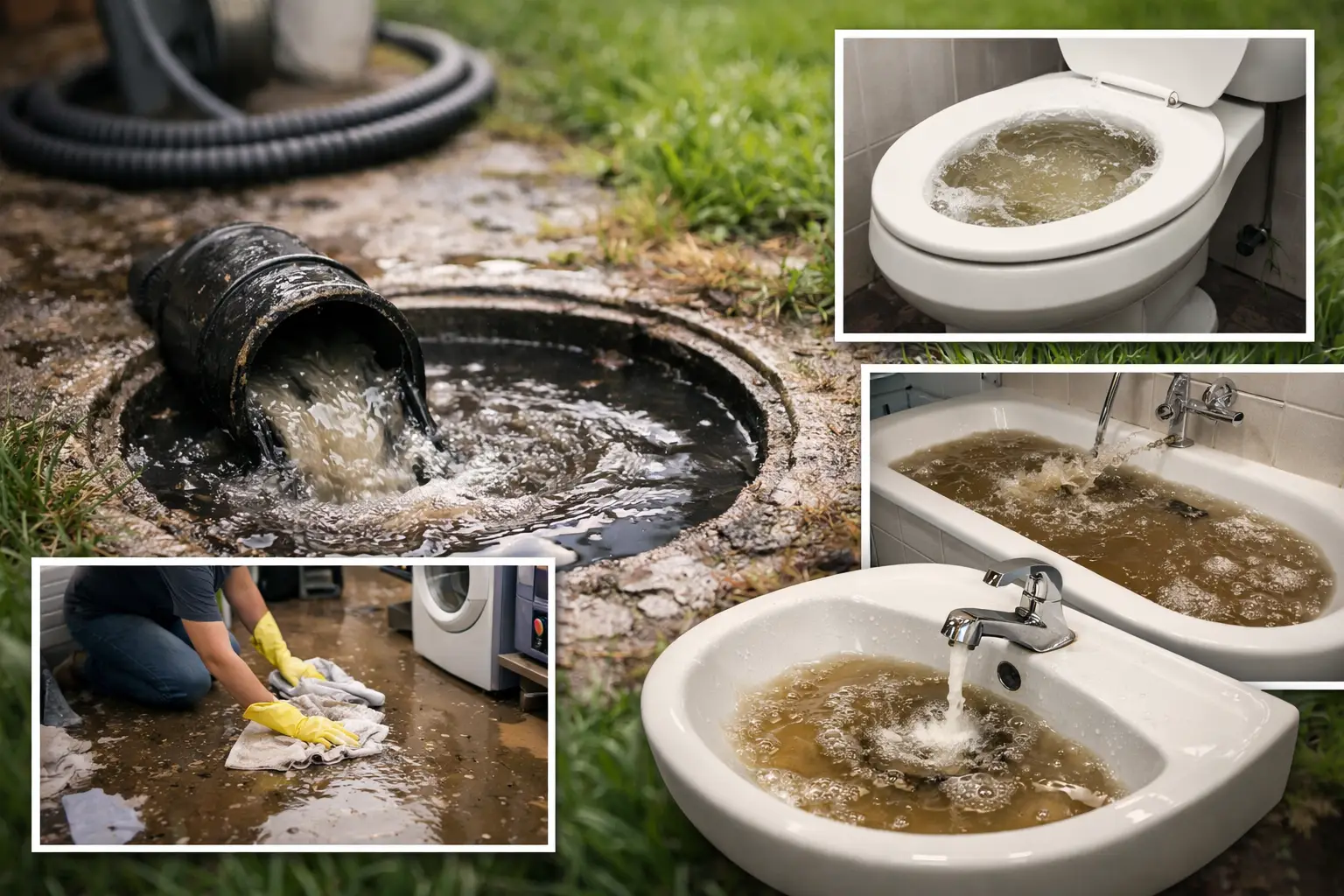
8 Main Sewer Line Backup Signs to Watch
Know the main sewer line backup signs before a messy emergency. Learn what to watch for, what it means, and when to call a plumber fast.
A sewer problem usually does not start with sewage on the floor. It starts with smaller warnings that are easy to brush off until the backup reaches a tub, basement drain, or lower-level toilet. If you know the main sewer line backup signs, you have a much better chance of catching the problem early and avoiding a bigger cleanup, more damage, and a more expensive repair.
For homeowners in Albany-area neighborhoods with older homes, mature trees, and aging underground piping, these warning signs matter. A clogged sink drain is one thing. A blocked main line is a whole-house problem, and it needs a real diagnosis before anyone starts guessing.
What a main sewer line backup actually means
Your main sewer line carries wastewater from toilets, sinks, showers, tubs, and appliances out of the house and toward the municipal sewer connection. When that line is blocked, damaged, bellied, or invaded by roots, wastewater cannot move out the way it should.
That is why main line backups tend to show up in more than one fixture. It is also why the lowest drains in the house usually show trouble first. Water follows the path of least resistance. If it cannot leave through the sewer line, it may come back up through a basement shower, floor drain, or first-floor toilet.
8 main sewer line backup signs homeowners should not ignore
1. Multiple drains are slow at the same time
If one bathroom sink is draining slowly, that may be a local clog near that fixture. If the tub, toilet, and sink all seem sluggish at once, especially on the same level of the house, that points to something bigger.
A main line issue often affects several fixtures together. Homeowners sometimes notice the kitchen sink acting up, then a downstairs toilet starts draining poorly, then the basement shower gets slow. That pattern matters. It suggests the blockage is farther down the system, not just inside one branch drain.
2. The toilet bubbles when water runs elsewhere
This is one of the clearest warning signs. If you flush a toilet and see bubbles in another toilet, or if the toilet gurgles when the shower, washing machine, or sink drains, the system may be struggling to move air and wastewater properly.
Gurgling does not automatically mean a main sewer backup every time. Sometimes it can be a venting issue. But when bubbling is paired with slow drainage or backups in lower fixtures, a main line obstruction moves much higher on the list.
3. Water comes up in the tub or shower when you flush
This is a classic main sewer line symptom. You flush the toilet, and instead of everything moving cleanly out of the house, dirty water appears in the shower or tub nearby. That happens because the clog is blocking the normal route, so wastewater pushes into the lowest open drain.
Many homeowners first see this in a first-floor bathroom or basement shower. If that happens, stop using water right away. Continued flushing, showering, or laundry can make the backup spread fast.
4. Sewage or dirty water backs up into a floor drain
Basement floor drains are often the first place a main line problem becomes obvious. If wastewater or foul-smelling gray water appears there, do not assume it is just groundwater or a minor drain issue.
A floor drain backup usually means the drainage system is under pressure from a blockage downstream. That is especially true if someone has recently run a washing machine, taken a shower, or drained a tub. The more water the house sends into the system, the more likely it is to show up at the lowest opening.
5. There is a strong sewer odor inside or near drains
A healthy drain system should not make the house smell like sewage. If you notice persistent sewer gas odors around a basement drain, bathroom, utility area, or lower level, there may be wastewater sitting where it should not.
Odor alone is not enough to diagnose a main line backup. Dry traps, vent issues, and broken seals can also create smells. But if sewer odor shows up with slow drains, gurgling, or backups, it should be treated as a serious warning sign rather than a nuisance.
6. The problem gets worse when you use a lot of water
Main line issues often reveal themselves during higher water use. A quick hand wash may seem fine, but then the washing machine drains and the basement shower fills with dirty water. Or everything seems manageable until two people use plumbing at the same time.
That pattern matters because it shows the system can no longer handle normal household flow. Partial blockages often behave this way before they become full backups. Waiting for a complete stoppage usually means waiting for a mess.
7. Lower-level fixtures are the first to back up
If you have a basement bathroom, laundry area, or floor drain, those fixtures are usually the first to show trouble from a main sewer line blockage. That is because they sit closest to the level where backed-up wastewater can surface.
An upstairs sink clog does not usually make a basement shower fill with water. But a main sewer problem can. When lower-level plumbing acts up first while upper-level fixtures start showing slow drainage or gurgling, that is a strong clue the issue is in the main line.
8. Drain clearing keeps failing or the problem returns fast
If someone snaked a toilet, cleared a drain, or used store-bought drain cleaner and the symptoms came right back, the real blockage may be farther out in the main sewer line.
This is common when roots, pipe scale, wipes, grease buildup, or a damaged sewer line are involved. The temporary fix may punch a small opening through the blockage, but it does not solve the underlying problem. A proper diagnosis usually requires professional drain equipment and, in many cases, a sewer camera inspection.
What usually causes these signs
In the Albany area, several conditions can lead to a main line backup. Tree roots are a major one, especially in older neighborhoods where mature trees and aging sewer lines often share the same space. Roots find small cracks or joints, then expand inside the pipe and catch waste over time.
Grease, wipes, paper products, and heavy sludge buildup can also choke off the line. Even products labeled flushable can create serious blockages. In some homes, the issue is the pipe itself - cracked clay, offset joints, sagging sections that hold waste, or corrosion in older cast iron.
That is why diagnosis comes first. The symptoms can look similar, but the right repair depends on the actual cause. Clearing roots is different from repairing a broken line. A recurring backup should never be treated like a guess-and-go service call.
What to do if you notice main sewer line backup signs
First, stop using water in the house as much as possible. Do not keep flushing toilets to test them. Do not run the dishwasher or washing machine. Every gallon you send into the drainage system can end up on the floor if the main line is blocked.
Next, keep people and pets away from any backed-up water. Sewage is a health hazard. If the backup has reached finished areas, act quickly to limit damage, but avoid direct contact and do not assume it is safe to clean without proper protection.
Then call a licensed plumber who handles sewer and drain diagnostics, not just fixture clogs. This is where process matters. A professional should identify whether the blockage is in a branch drain or the main sewer line, explain the findings clearly, and recommend the right next step based on what the system is actually doing.
Why fast diagnosis matters
A main sewer backup is not just inconvenient. It can damage flooring, drywall, trim, stored belongings, and finished basement areas. It can also create sanitation issues that require more than simple cleanup.
There is also the cost side. Catching a partial blockage early may mean professional cleaning and inspection. Waiting until sewage backs up repeatedly can lead to emergency service, restoration work, and larger repairs if the line is damaged. Fast response does not mean rushed work. It means getting the system diagnosed correctly before the situation spreads.
For homeowners who want a straightforward answer without the runaround, Trinity Plumbing & Drains focuses on exactly that approach - identify the cause, explain the scope, and fix the right problem.
If your drains are slow, your toilet is gurgling, or water is showing up where it should not, trust what the house is telling you. Sewer problems rarely get better on their own, and the earliest warning signs are usually the cheapest moment to act.