
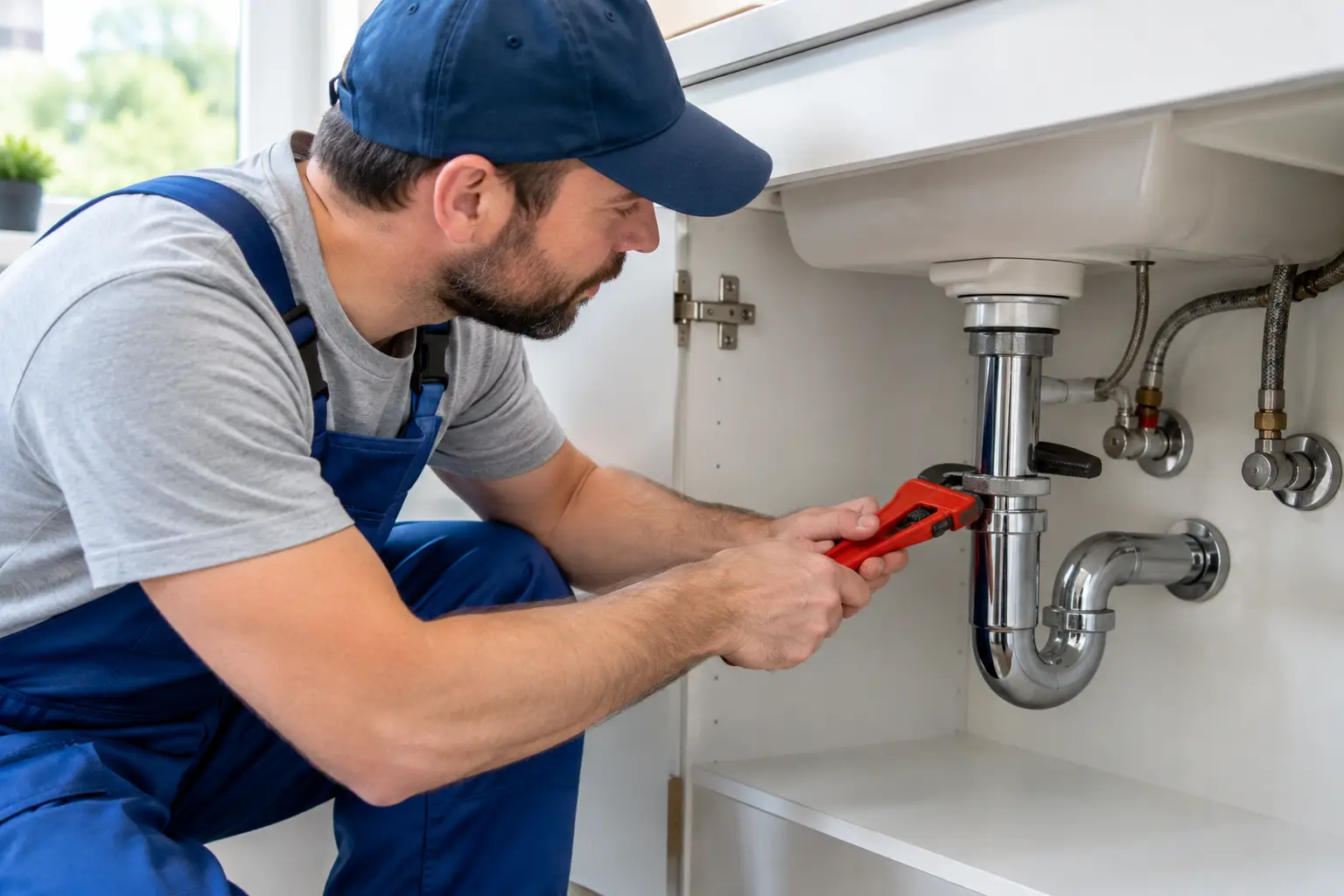
Pipe Repair Methods for Albany Homeowners
Compare common pipe repair methods, learn when a quick fix is not enough, and know when to call an Albany plumber for fast, code-compliant help today.
A pipe leak is rarely just a pipe leak. Water can travel behind walls, under floors, and into finished basement areas before the visible stain or puddle appears. The right pipe repair methods depend on where the line is located, what it is made of, how badly it has failed, and whether the problem is isolated or part of a larger plumbing issue. A temporary patch may stop an active drip, but it will not correct corrosion, a frozen split, poor drainage, or a failing sewer line.
For homeowners in Albany, Colonie, Troy, Delmar, and East Greenbush, fast action matters. Shut off the water when possible, protect the area from further damage, and have the cause diagnosed before approving a repair. That approach prevents repeat leaks, unnecessary wall removal, and costly surprises later.
Pipe Repair Methods Start With the Right Diagnosis
Before choosing a repair, a plumber needs to identify the type of pipe and the reason it failed. Copper, galvanized steel, PVC, CPVC, PEX, and cast iron do not fail in the same way or require the same repair approach. A pinhole leak in an aging copper line calls for a different solution than a cracked PVC drain or a root-damaged sewer pipe.
Location matters just as much. A leak at an exposed basement pipe is generally easier to access and repair than a line inside a wall, beneath a slab, or buried in the yard. If water is appearing near a fixture, the source may also be higher up or farther away than it looks. Water follows framing, pipes, and gravity.
A proper diagnosis also checks whether the failure is isolated. One split caused by a hard freeze may be a straightforward replacement. Several pinhole leaks in old copper piping can point to widespread deterioration. Replacing one small section might restore service today, but a plumber should explain when recurring failures make a larger repair or repiping plan the more sensible investment.
First, Control the Water
If a pipe is actively leaking, turn off the nearest fixture shutoff valve. If that does not stop the flow, shut off the main water supply to the house. Open a faucet at a lower level to relieve pressure, then move belongings away from the affected area.
Do not use electrical equipment near standing water, and do not ignore a leak because it appears small. A steady drip can damage drywall, flooring, insulation, and structural materials over time. If water is coming through a ceiling, the pipe may not be the only concern. Call for emergency plumbing service when the leak cannot be contained or water is reaching finished spaces.
Common Pipe Repair Methods and When They Work
The best repair is not always the biggest repair. It should match the condition of the pipe, the urgency of the problem, and the expected life of the work.
Pipe Clamps and Repair Couplings
A pipe repair clamp or mechanical coupling can seal a small, accessible damaged area. These fittings are commonly used on certain water lines and can be useful when a section of pipe needs to be stabilized quickly. The pipe surface must be sound enough for the fitting to seal correctly.
This method can be effective for a localized issue, especially where access is good. It is not a cure for brittle, deeply corroded, or repeatedly leaking pipe. If the material around the leak is weak, the next failure may occur inches away from the repair.
Cutting Out and Replacing a Damaged Section
For many residential water pipe leaks, removing the damaged portion and installing new pipe is the most dependable option. A plumber cuts back to solid material, uses fittings approved for the pipe type, pressure-tests the repair, and checks for additional weak spots.
This approach is often appropriate for frozen pipe splits, crushed pipe, cracked plastic pipe, and localized corrosion. It provides a lasting repair when the surrounding pipe is in good condition. It may require opening a wall or ceiling, but limiting the repair to the failed section can be less disruptive than replacing an entire line.
With copper piping, the connection may involve soldered fittings or approved press connections, depending on the application and access. PEX repairs typically use compatible fittings and support methods. PVC and CPVC drain or supply repairs require proper cutting, preparation, primer where required, cement, and cure time. Material compatibility is not a detail to overlook. The wrong fitting or installation method can create a new leak or violate code.
Epoxy and Temporary Leak Repairs
Epoxy compounds, repair wraps, and rubber patches are sold as quick solutions for small leaks. They can reduce water loss in a pinch, particularly while waiting for a plumber or after the water has been shut off. They should be treated as a temporary measure unless a qualified plumber confirms otherwise.
These products do not remove corrosion, repair a split that continues to move, or correct excessive pressure. They also may not bond reliably to wet, dirty, or deteriorated pipe. A temporary patch that fails behind a wall can cause more damage than an accessible leak that was repaired correctly from the start.
Drain Pipe Replacement
Drain lines do not operate under the same pressure as water supply pipes, but they still need proper slope, secure connections, and sound joints. A cracked trap arm, leaking sink drain, or damaged basement drain pipe may be repaired by replacing the affected section.
Drain repairs can become more involved when improper slope, repeated clogs, or old materials are involved. Galvanized and cast-iron drain piping can corrode internally, narrowing the pipe and causing slow drainage long before a visible leak develops. If one section is failing, a camera inspection can help determine whether the rest of the line is still serviceable.
Sewer Line Repair and Replacement
A sewer problem is not a job for a surface patch. Sewage backups, persistent drain clogs, wet areas in the yard, and sewer odors can indicate a cracked, offset, collapsed, or root-infiltrated sewer line. The right repair starts with a camera inspection to locate the defect and assess the overall condition of the pipe.
When damage is limited to one area, spot repair may be possible. The damaged section is exposed, removed, and replaced with approved pipe. If the line has multiple failures, severe root intrusion, or widespread deterioration, a larger replacement may make more financial sense than repeated digging and repair.
In some situations, trenchless pipe lining or pipe bursting may reduce excavation. These methods are not automatic answers for every property. The existing pipe must meet certain conditions, access points must be available, and the line layout can affect feasibility. A qualified plumber should explain the condition found, the available options, and why one method fits better than another.
When a Quick Repair Is Not Enough
Homeowners often want the least invasive repair, and that is reasonable. But the smallest repair is not always the best value. Repeated leaks in aging copper, heavily rusted galvanized pipe, or failing cast iron may signal that the system has reached the point where spot repairs are becoming temporary relief.
Watch for recurring wet spots, discolored water, lower water pressure, frequent drain backups, gurgling fixtures, sewer odors, or water bills that rise without explanation. These signs do not always mean a full replacement is necessary, but they justify a closer inspection.
Freeze damage also deserves careful attention in Capital Region winters. Once one pipe freezes and splits, nearby sections may have been stressed as well. The repair should address the damaged pipe and the reason it froze, such as poor insulation, cold air infiltration, an unheated crawl space, or a plumbing line installed against an exterior wall.
What Professional Pipe Repair Should Include
Good pipe repair is more than stopping the leak. The work should begin with a clear explanation of what failed and what needs to be done. You should know whether the repair is temporary or permanent, what areas need to be accessed, and whether additional restoration work may be needed after plumbing repairs are complete.
For supply lines, the repaired section should be tested under pressure before the work area is closed. For drain and sewer lines, proper flow and secure connections need to be verified. Where permits or code requirements apply, they should be handled correctly. This matters for safety, home value, insurance documentation, and future repairs.
Trinity Plumbing & Drains approaches pipe problems with diagnosis first, clear scope, and clean workmanship. That means no guessing at the cause, no vague repair plan, and no pressure to approve work that does not fit the actual condition of your plumbing.
Call Quickly for These Pipe Problems
Some problems should not wait for regular business hours. Call for emergency help if a pipe has burst, water cannot be shut off, a ceiling is leaking, sewage is backing up into the home, or a suspected gas line issue is present. For a gas odor, leave the building immediately, avoid switches and open flames, and contact the gas utility or emergency services from a safe location.
For smaller leaks, do not wait until the stain grows or the cabinet floor softens. Shutting off the water, documenting the damage, and arranging a prompt repair can keep a manageable plumbing issue from turning into a major restoration project. The right repair begins with finding the real failure, then fixing it cleanly and correctly.