
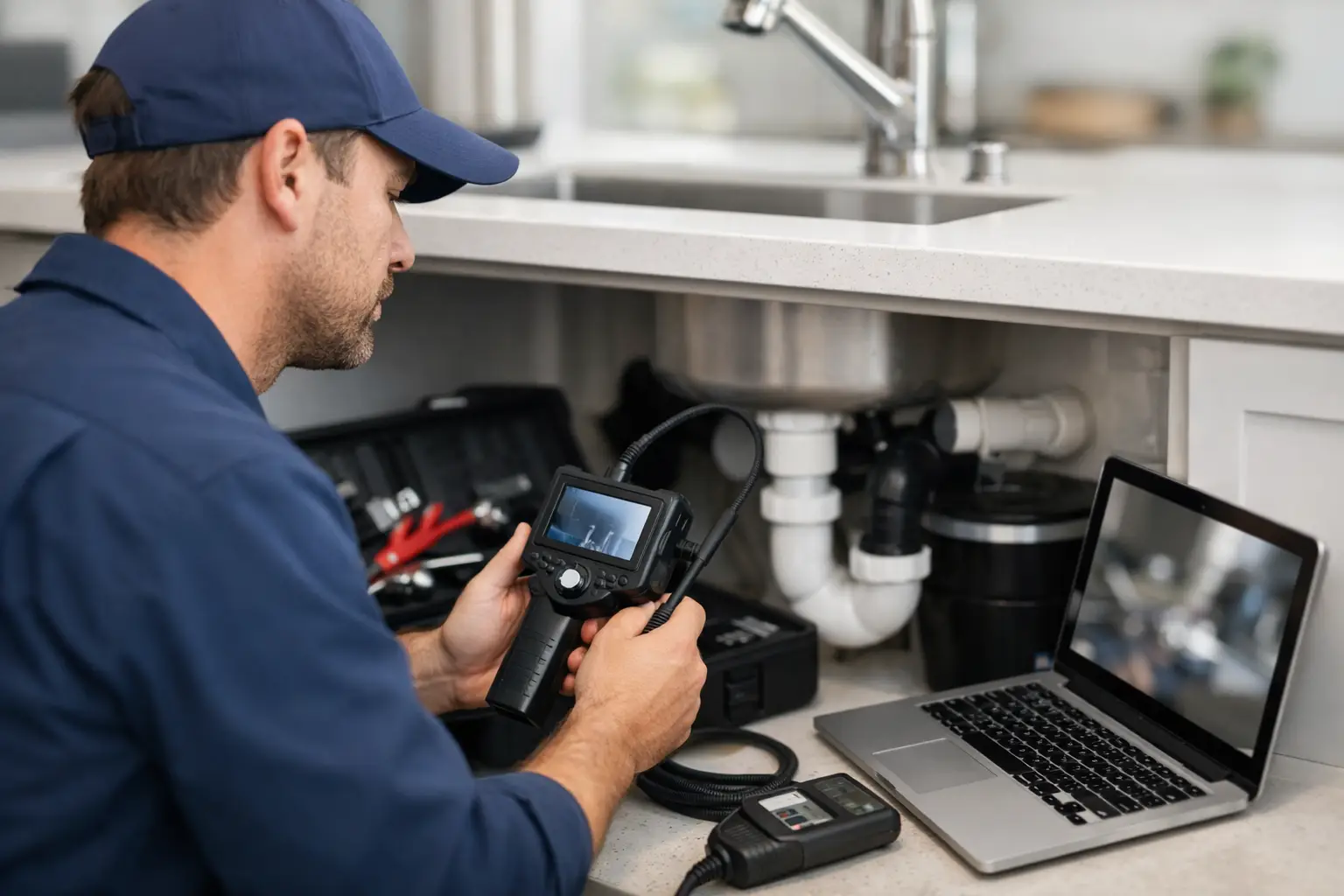
Professional Plumbing Diagnosis Process Explained
Learn how a professional plumbing diagnosis process identifies leaks, clogs, sewer trouble, and safety risks before a clear, code-compliant repair begins.
A wet ceiling, a slow drain, or a water heater that suddenly goes cold can make it tempting to ask for the fastest possible fix. But the right repair starts with finding the actual cause. A professional plumbing diagnosis process separates the visible symptom from the problem behind it, so you are not paying to repair the same issue twice.
For homeowners in Albany, Colonie, Troy, Delmar, and East Greenbush, that matters. Older homes, seasonal temperature swings, aging sewer lines, and basement water concerns can create plumbing problems that look simple at first and become expensive when guesswork takes over. A qualified plumber should explain what is happening, what needs attention now, and what can reasonably wait.
Why Diagnosis Comes Before Repair
Plumbing systems are connected. A clog in one fixture may be a local blockage, but it can also point to a problem farther down the branch line or in the main sewer. Water around a water heater may come from the tank itself, a failed relief valve, a nearby pipe, or condensation. Replacing a part before confirming the source can waste time and money.
Diagnosis-first service is not about making a straightforward repair more complicated. It is about using the right level of investigation for the problem. A dripping faucet may need a quick repair. A recurring drain backup, sewer odor, unexplained high water bill, or damp basement needs a more careful look.
The goal is simple: identify the cause, confirm the condition of the affected system, and give the homeowner a clear repair path without the runaround.
What a Professional Plumbing Diagnosis Process Includes
A proper service call follows a practical sequence. The exact steps depend on whether the concern involves a leak, drain, sewer line, water heater, sump pump, or gas line, but the process should be organized from the first conversation through the final recommendation.
1. Start With the Symptoms and History
The first information often comes from the homeowner. When did the problem start? Does it happen every time a fixture is used, only after heavy rain, or only during cold weather? Has the drain been slow before? Did the water heater make noise, lose heat gradually, or stop working all at once?
These details help narrow the possibilities before any tools come out. A kitchen sink that drains slowly by itself calls for a different approach than a kitchen sink that backs up when the washing machine drains. A sump pump that runs continuously after a storm needs a different evaluation than one that will not turn on at all.
A good plumber listens first, then verifies the information on site. Homeowners do not need to know plumbing terminology. They just need to describe what they saw, heard, smelled, or experienced.
2. Inspect the Area Safely
Next comes a visual inspection of the affected fixture, appliance, pipes, valves, and accessible connections. This includes looking for corrosion, active leaks, water staining, improper drainage, loose fittings, damaged supply lines, and signs of previous repairs.
Safety is part of this step. Water near electrical equipment, a suspected gas leak, sewage exposure, or a compromised ceiling requires immediate precautions. If a gas odor is present, leave the area, avoid switches and open flames, and contact the gas utility or emergency services as appropriate. Do not try to locate or repair a gas leak yourself.
For water-related emergencies, the plumber may first help isolate the issue by shutting off a fixture valve, the home’s main water supply, or power to a water heater when conditions require it. Stopping additional damage comes before detailed testing.
3. Test the Plumbing System, Not Just the Fixture
The visible problem is only one part of the diagnosis. A professional checks how the system behaves under normal use. That may mean running water at several fixtures, flushing toilets, testing hot and cold supply lines, checking water pressure, or observing whether water drains correctly.
With drainage problems, the plumber needs to determine whether the blockage is close to the fixture or farther down the line. If more than one drain is slow, a toilet gurgles when a sink drains, or wastewater comes up through a lower-level tub or floor drain, the issue may involve the main sewer line rather than a single clogged trap.
With leaks, testing helps confirm whether the water is coming from a pressurized supply line, a drain line, an appliance, or outside moisture. The repair can be very different depending on the answer. Opening a wall before confirming the leak path is rarely the first choice.
4. Use the Right Diagnostic Equipment
Professional equipment gives the plumber better information while limiting unnecessary disruption. A drain cable may clear a blockage, but it also provides feedback about where the obstruction is and whether the line has a recurring issue. A sewer camera inspection can show roots, scale buildup, bellies in the pipe, cracked sections, offsets, or a collapsed line.
For hidden leaks, a plumber may use moisture detection, pressure testing, or other targeted methods to locate the likely source. Water heater diagnosis can include checking the burner or heating elements, thermostat operation, venting, safety controls, tank condition, and supply connections. Sump pump testing includes the float switch, discharge line, check valve, basin, and power source.
Not every call requires advanced equipment. The right approach depends on the evidence. If a drain has never had trouble and clears normally after a simple service, a camera inspection may not be necessary. If backups keep returning, it is often the sensible next step because it identifies why the problem is repeating.
5. Identify the Cause and Rule Out Related Problems
A professional diagnosis should lead to a specific finding, not a vague statement that something is “probably bad.” There may be more than one issue, especially in older plumbing systems, but the plumber should distinguish between the immediate failure and conditions that could cause future trouble.
For example, a sewer line may be blocked by roots today while the camera also shows damaged pipe joints that will continue to allow roots inside. Clearing the blockage restores service. Repairing the damaged section addresses the reason it keeps happening. Both may be valid recommendations, but they are not the same job and should not be presented as if they are.
The same applies to water heaters. A failed component may be repairable, while a severely corroded tank may make replacement the safer, more practical choice. Age, condition, availability of parts, and the cost of repeated repairs all matter.
Clear Scope, Pricing, and Repair Options
Once the cause is identified, the next step is a clear explanation. You should know what failed, what work is recommended, what the repair involves, and whether there are options. For larger work, this may include whether permits, inspections, or code upgrades apply.
Upfront communication is especially important for sewer repairs, water heater replacement, gas line work, and hidden leaks. These jobs can involve access challenges, material requirements, and conditions that are not fully visible until work begins. A responsible plumber explains those limits before starting, not after the invoice is written.
The lowest initial price is not always the lowest cost. A quick patch can be appropriate when it safely restores service and the underlying system is sound. In other cases, a temporary repair may only delay a larger failure. The right choice depends on the condition of the plumbing, the urgency of the problem, and your plans for the home.
Repair, Verification, and a Clean Finish
After approval, the repair should be completed using materials and methods appropriate for the application and local code. Licensed, insured plumbing work protects more than the fixture itself. It helps prevent leaks, drainage failures, improper venting, unsafe gas connections, and problems during a future home sale or inspection.
The work is not finished when the new part is installed or the drain starts moving. The plumber should test the repair. That can include checking for leaks, running fixtures, confirming drainage, verifying hot water operation, or making sure a sump pump cycles and discharges properly.
A clean jobsite also matters. Plumbing repairs can involve water, debris, old pipe, and drain-cleaning equipment. Respect for the home means containing the work area, cleaning up afterward, and leaving you with a clear understanding of what was completed.
When to Call Before the Problem Gets Worse
Some plumbing problems should not wait for a convenient time. Call for professional help when you have sewage backing up, a burst or actively leaking pipe, no water in the home, no hot water with signs of leaking, a flooded basement, repeated drain backups, or a suspected gas line issue.
For less urgent concerns, recurring symptoms still deserve attention. A drain that needs frequent chemical cleaner, a toilet that intermittently gurgles, unexplained moisture under a sink, or a sump pump that sounds unusual can be early warnings. Addressing them before a holiday, heavy rain, or freezing night is usually easier than dealing with a full emergency.
When a plumbing problem puts your home on hold, ask for a diagnosis that gives you answers, not assumptions. Trinity Plumbing & Drains focuses on finding the cause, explaining the repair clearly, and completing the work with the urgency and care your home requires.