
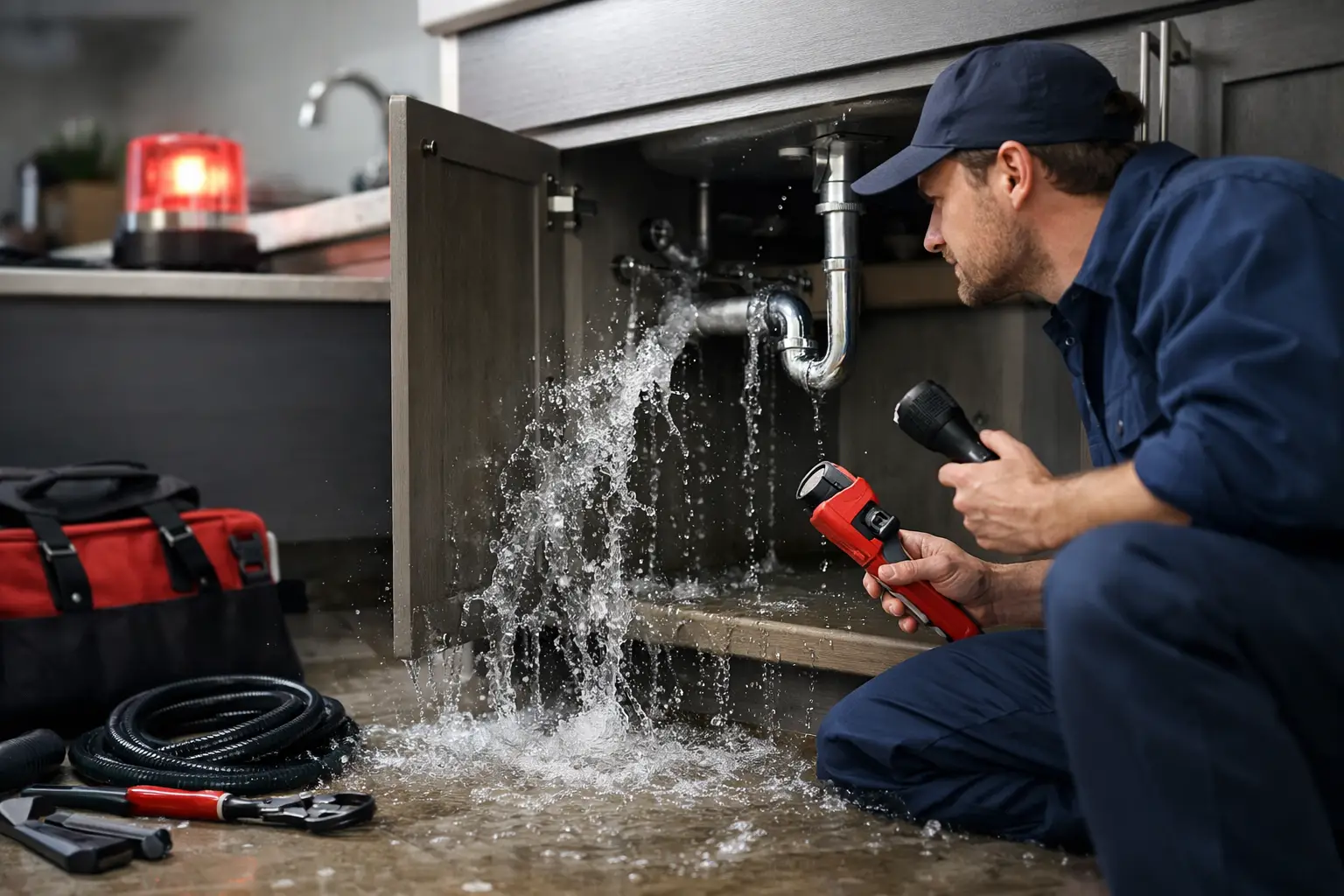
When to Call an Emergency Plumber
Need an emergency plumber in Albany? Learn which plumbing problems need fast service, what to do first, and how to avoid bigger damage.
A pipe bursts at 11 p.m. The basement floor starts taking on water. Or the main drain backs up right before guests arrive. That is the moment an emergency plumber stops being a search term and becomes the service that protects your home from expensive damage.
For most homeowners, the hard part is not knowing something is wrong. The hard part is knowing whether it can wait until morning or needs immediate attention. Some plumbing issues are inconvenient. Others can damage flooring, drywall, electrical systems, and the structural parts of your home in a matter of hours. If gas lines are involved, the stakes are even higher.
What counts as a plumbing emergency
A real plumbing emergency is any problem that creates active water damage, a health and safety risk, or a complete loss of an essential plumbing function. That includes burst pipes, major leaks that cannot be isolated, sewer backups, overflowing toilets with no working shutoff, no water to the house, failed sump pumps during wet weather, and water heater leaks that are actively spreading.
Gas line issues also fall into this category. If you smell gas or suspect a gas leak near an appliance or line, that is not a wait-and-see situation. The same goes for a sewer line backup that is pushing wastewater into tubs, showers, or basement drains. Those problems need a fast, controlled response.
Other issues may feel urgent but are not always emergencies. A slow drain, a dripping faucet, or a toilet that runs now and then usually needs repair, but it may not require after-hours service. The difference comes down to risk. If the problem is actively getting worse, causing property damage, or making the home unsafe or unusable, it is time to call.
Signs you need an emergency plumber now
Some emergencies are obvious. Others start small and escalate quickly. If water is actively flowing where it should not be, if sewage is coming back into the home, or if a plumbing failure has shut down a critical fixture, it is smart to treat it as urgent.
Watch for water stains that are growing by the minute, sudden drops in water pressure throughout the house, banging or cracking sounds followed by leaking, and drains that back up at the lowest point in the home. A sump pump that stops working during heavy rain is another common emergency in the Albany area, especially where basements are finished or used for storage.
No hot water can also be an emergency, but it depends on the cause. If the water heater has simply stopped heating, that may be a same-day repair. If the tank is leaking, hissing, or showing signs of pressure or electrical trouble, it moves into emergency territory quickly.
What to do before the plumber arrives
The first goal is to limit damage. If the issue involves a broken supply line or burst pipe, shut off the main water valve as soon as possible. Every homeowner should know where that valve is before there is a problem. If the leak is isolated to a fixture and there is a local shutoff valve nearby, use that first.
For sewer backups, stop using sinks, showers, toilets, dishwashers, and washing machines immediately. More water in the system can make the backup worse. If the problem is near a water heater, shut off the power or gas to the unit if you can do so safely. If you suspect a gas leak, leave the area and follow proper safety steps before calling for repair.
Move rugs, boxes, furniture, and anything else that can be damaged by water. If it is safe, take clear photos of the affected area. That helps document conditions and can be useful during diagnosis. Then make the service call with a direct description of what is happening now, not what you think caused it. That gives the plumber a better starting point.
Why diagnosis matters in an emergency
When homeowners are stressed, it is tempting to ask for the fastest possible fix and worry about the details later. The problem is that emergency plumbing without proper diagnosis can turn one repair into two.
A clogged drain may actually be a sewer line issue. A leaking ceiling may be coming from a bathroom drain, a supply line, or a hidden pipe run. A failed sump pump may be the pump itself, the discharge line, the float switch, or the power source. Treating the symptom without confirming the cause often leads to repeat calls, more damage, and more cost.
That is why a professional emergency response should start with a clear diagnosis. The right plumber isolates the issue, explains the scope, and lays out what can be done immediately to stop the damage and restore safe operation. In some situations, the permanent repair can happen right away. In others, the first step is stabilization, followed by a larger repair once the full condition of the system is known.
Common emergency plumbing calls in Albany-area homes
In older homes around Albany, Troy, and Delmar, pipe materials, aging shutoffs, and long-term wear often play a role in emergency leaks. Frozen pipes are another seasonal risk. A small crack can open up when temperatures shift, and once thawing begins, water can pour out fast.
Drain and sewer emergencies are also common, especially in homes with mature trees, older sewer lines, or a history of recurring clogs. Homeowners sometimes assume they have a simple drain problem because one fixture is slow, only to find out the main line is restricted and wastewater is backing up into the lowest drains in the house.
Basement water issues are another major concern in Colonie and East Greenbush. When a sump pump fails during a storm, the damage can spread well beyond the mechanical issue itself. Flooring, drywall, stored belongings, and finished spaces can all be affected. Fast service matters, but so does making sure the replacement or repair is sized and installed correctly.
What a professional emergency plumber should provide
Speed matters, but speed alone is not enough. You want a plumber who arrives ready to assess the problem, protect the home, and explain the next step without guesswork. That means clear communication, licensed oversight, and work that meets code.
A professional process should include a defined service call, diagnosis before repair, and a straightforward explanation of what is urgent versus what can be scheduled. It should also include clean work practices. Emergency service is stressful enough without muddy footprints, damaged finishes, or confusion about what was done.
Insurance coverage and permit awareness matter too, especially with water heaters, gas lines, and certain sewer or piping repairs. The lowest quote in an emergency is not always the best value if the work is incomplete, undocumented, or not done to code.
The cost question: emergency now or repair later
Homeowners often hesitate because they are trying to avoid an expensive after-hours call. That is understandable. But waiting can cost far more when active leaks spread into walls, subfloors, insulation, or finished basement areas.
Still, not every issue needs immediate dispatch. A good plumber will tell you when a problem is truly urgent and when it can be safely scheduled during regular hours. That kind of honesty matters. It is part of professional service.
The better question is not just what the emergency call costs. It is what delay could cost if the problem gets worse overnight. In many cases, the right emergency response limits total repair costs by stopping damage early and narrowing the scope before the situation spreads.
Choosing the right emergency plumber
When you call, listen for specifics. You should be able to describe the problem and get a clear sense of the next step. If the company is vague, dismissive, or pushes a price before discussing the actual condition, that is a red flag.
Look for a company that handles residential plumbing emergencies regularly, not one that treats urgent calls as side work. Ask whether the work is performed under licensed master plumber oversight, whether they handle code-compliant repairs, and whether they explain repair options before work begins. Trinity Plumbing & Drains is built around that kind of structured response because urgent plumbing problems need more than a quick patch.
A real emergency plumber brings order to a bad situation. The right call gets the water stopped, the problem identified, and the repair handled with a clear scope and no runaround. When the issue cannot wait, neither should the service.