
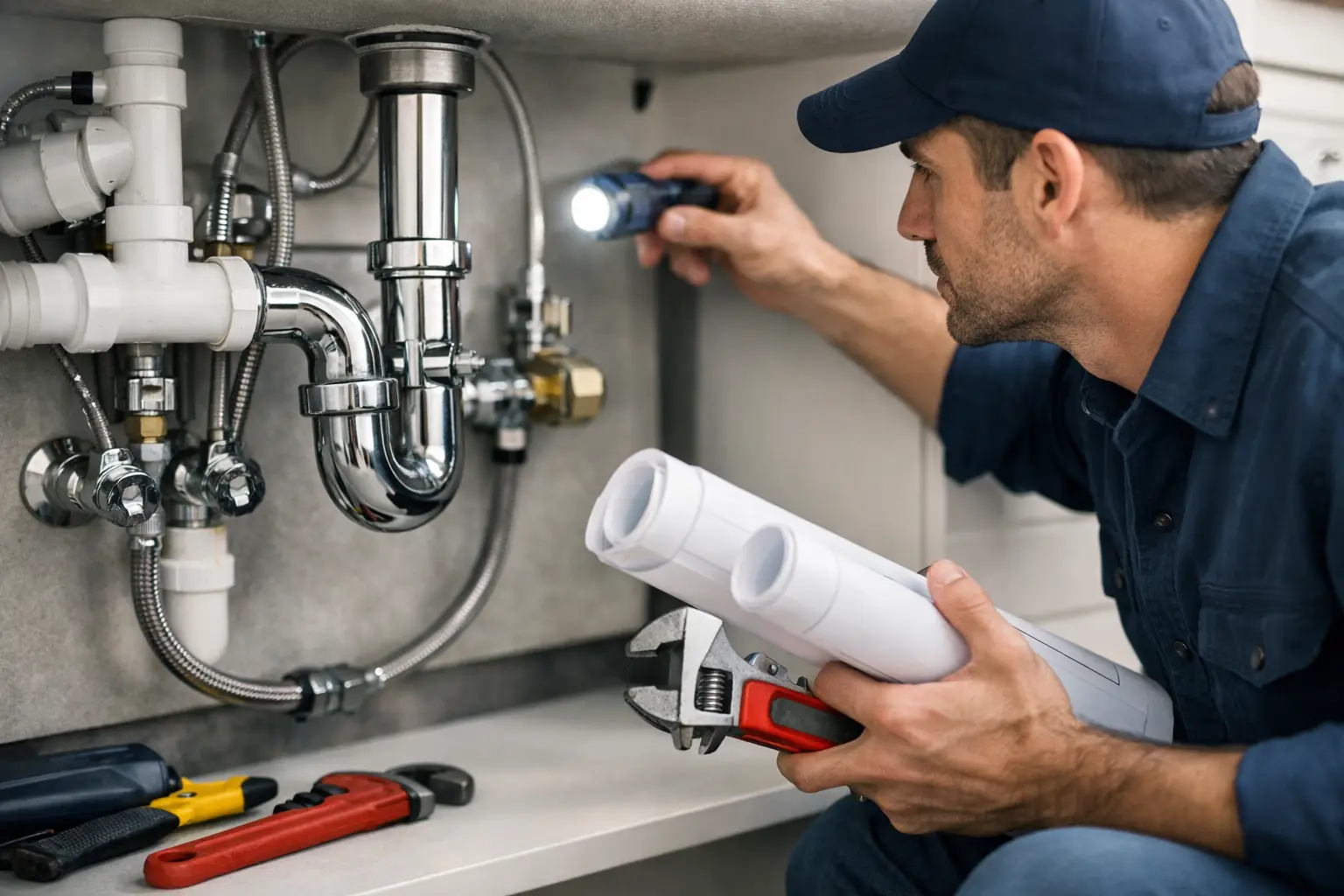
Why Code Compliant Plumbing Work Matters
Code compliant plumbing work protects your home, safety, and resale value. Learn what it means, when it matters, and what to expect from pros.
A leaking pipe under a sink is annoying. A hidden plumbing repair that fails inspection, causes water damage, or creates a safety issue is a much bigger problem. That is why code compliant plumbing work matters more than most homeowners realize, especially when the issue involves water heaters, gas lines, sewer repairs, sump pumps, or anything behind walls and under floors.
For homeowners in Albany-area homes, plumbing code is not some abstract rulebook that only matters to inspectors. It affects whether a repair is safe, whether a replacement is installed properly, and whether you end up paying twice because someone cut corners the first time. When plumbing work is done right, it protects your home, your family, and your budget.
What code compliant plumbing work actually means
Code compliant plumbing work means the repair or installation meets the plumbing and safety standards that apply to that type of job. In practice, that covers more than just whether water flows and drains. It includes the right materials, proper venting, correct pipe sizing, approved fittings, safe connections, required shutoffs, drainage slope, backflow protection, and, where applicable, permits and inspections.
For a homeowner, the key point is simple. A job can appear finished and still be wrong. A water heater may produce hot water while lacking proper venting or expansion control. A sump pump may run while discharging improperly. A gas line may seem functional while using the wrong connector or missing required support. Plumbing code exists because these details matter.
That does not mean every small repair turns into a major permitting process. A straightforward fixture repair is different from a water heater replacement or sewer line repair. The right approach depends on the job, the location, and the condition of the existing system.
Why homeowners run into code problems
Most code issues do not start with bad intentions. They usually happen because someone wanted a fast fix and skipped the diagnosis. Other times, an older home has been patched over the years by multiple contractors or previous owners, and the plumbing no longer meets current standards in key areas.
This is common in older homes around Albany, Colonie, Troy, Delmar, and East Greenbush. You may find outdated materials, improper drain layouts, makeshift venting, old shutoff valves, or basement pump setups that were never ideal to begin with. Once a problem shows up, the repair has to account for what is already there. That is where experience matters.
A plumber who starts with diagnosis can tell the difference between a simple repair and a situation where the surrounding setup also needs correction. That keeps the conversation honest. Sometimes the fix is small. Sometimes the visible leak is only part of the problem.
Code compliant plumbing work and emergency repairs
In an emergency, homeowners want the problem stopped first. That makes sense. If a pipe bursts or a sewer backs up, speed matters. But urgency should not turn into guesswork.
Good emergency plumbing service does two things at once. It stabilizes the immediate issue, and it sets up the permanent repair correctly. If a contractor only focuses on getting water back on or waste moving again, without checking whether the repair meets code and fits the system, the short-term relief can turn into another service call.
This comes up often with water heater failures, broken drain lines, and sump pump issues. A rushed replacement may solve today’s problem but create a safety concern or inspection issue later. Fast service is valuable. Fast service done correctly is what actually protects the home.
Where code compliance matters most
Some plumbing jobs carry more code risk than others. Water heater work is high on the list because it involves water, pressure, temperature, fuel source, venting, and discharge requirements. If one piece is wrong, the whole installation can be unsafe.
Gas line work is another area where there is very little room for error. Proper sizing, approved materials, connection methods, shutoffs, and testing all matter. This is not the kind of job where a homeowner should accept vague explanations or improvised repairs.
Drain and sewer work also deserves close attention. The line may drain for now, but if pitch, venting, cleanout access, or connection methods are wrong, the problem often returns. Sewer and drain repairs should solve the cause, not just the symptom.
Sump pump installations need the same practical standard. The pump itself is only part of the job. Discharge routing, check valves, power considerations, basin setup, and backup planning all affect whether the system performs when the basement actually needs protection.
The real cost of non-compliant plumbing work
Homeowners sometimes hear “code upgrade” and assume it is sales language. Sometimes that skepticism is fair. Not every recommendation is necessary, and a trustworthy plumber should explain what is required, what is recommended, and what is optional.
But true non-compliant work has real costs. It can void warranties, delay a home sale, fail a municipal inspection, contribute to water damage, increase leak risk, or create safety hazards around gas or hot water systems. It can also complicate insurance claims if a loss ties back to poor workmanship or unapproved installation methods.
There is also the practical cost of repeat repairs. The cheap fix often becomes the expensive fix when it has to be opened up and redone. Homeowners usually do not mind paying for proper work. They mind paying twice because the first repair was done without a clear process.
What a professional process should look like
Code compliant plumbing work starts before tools come out. It starts with diagnosis. That means identifying the actual source of the issue, checking the condition of related components, and explaining whether the repair is isolated or tied to a larger code or safety concern.
From there, the scope should be clear. Homeowners should know what is being repaired or replaced, whether permits are needed, what conditions could affect pricing, and what the expected outcome is. That kind of communication cuts down on confusion and prevents the familiar problem of hearing one thing at the start and another thing halfway through the job.
Clean workmanship matters too. A professional plumber protects the work area, uses approved materials, and leaves the site in good condition. That may sound basic, but it says a lot about how the company handles the parts you cannot see behind the wall or under the floor.
At Trinity Plumbing & Drains, that diagnosis-first approach is a big part of getting the repair right the first time. For homeowners, the benefit is straightforward - fewer surprises, clearer expectations, and work done with licensed oversight.
How to tell if a plumber takes compliance seriously
You do not need to know plumbing code chapter by chapter to ask the right questions. You do need to pay attention to how the company explains the job.
A reliable plumber should be able to tell you why a repair method is being used, whether the work needs a permit, and whether any existing conditions need to be corrected to complete the job properly. If the answers are vague, rushed, or defensive, that is a warning sign.
It also helps to notice what is missing from the conversation. If a contractor talks only about speed and price but never mentions safety, licensing, permits, or workmanship standards, that tells you something. The lowest bid can be perfectly fine on one job and a mistake on another. It depends on what is included, what is ignored, and how much risk is being pushed onto the homeowner.
When code upgrades are necessary and when they are not
This is where experience and honesty matter most. Not every repair means bringing the entire house up to current code. In many cases, the work only needs to address the affected area and any directly related safety or compliance issues.
But there are situations where an old setup cannot be left as-is. If a new water heater is replacing a failed unit, for example, current installation requirements may apply to the replacement even if the old unit was installed differently. The same logic can apply to gas piping, sump discharge, and certain drainage repairs.
A good plumber should explain that line clearly. Homeowners should not be pressured with blanket statements, and they should not be misled into thinking that visible function equals proper installation.
Why this matters before the next plumbing problem
Most people do not think about plumbing code until something leaks, backs up, or stops working. By then, the pressure is on. That is exactly why choosing a contractor with a clear process matters. When the problem is urgent, you want someone who can move quickly without cutting corners.
Code compliant plumbing work is not about making a repair more complicated than it needs to be. It is about making sure the repair is safe, defensible, and built to last. When a plumber diagnoses the issue properly, explains the scope clearly, and does the work to code, you get more than a fix. You get one less thing to worry about the next time you turn on the water, rely on your sump pump, or need your system to work the way it should.