
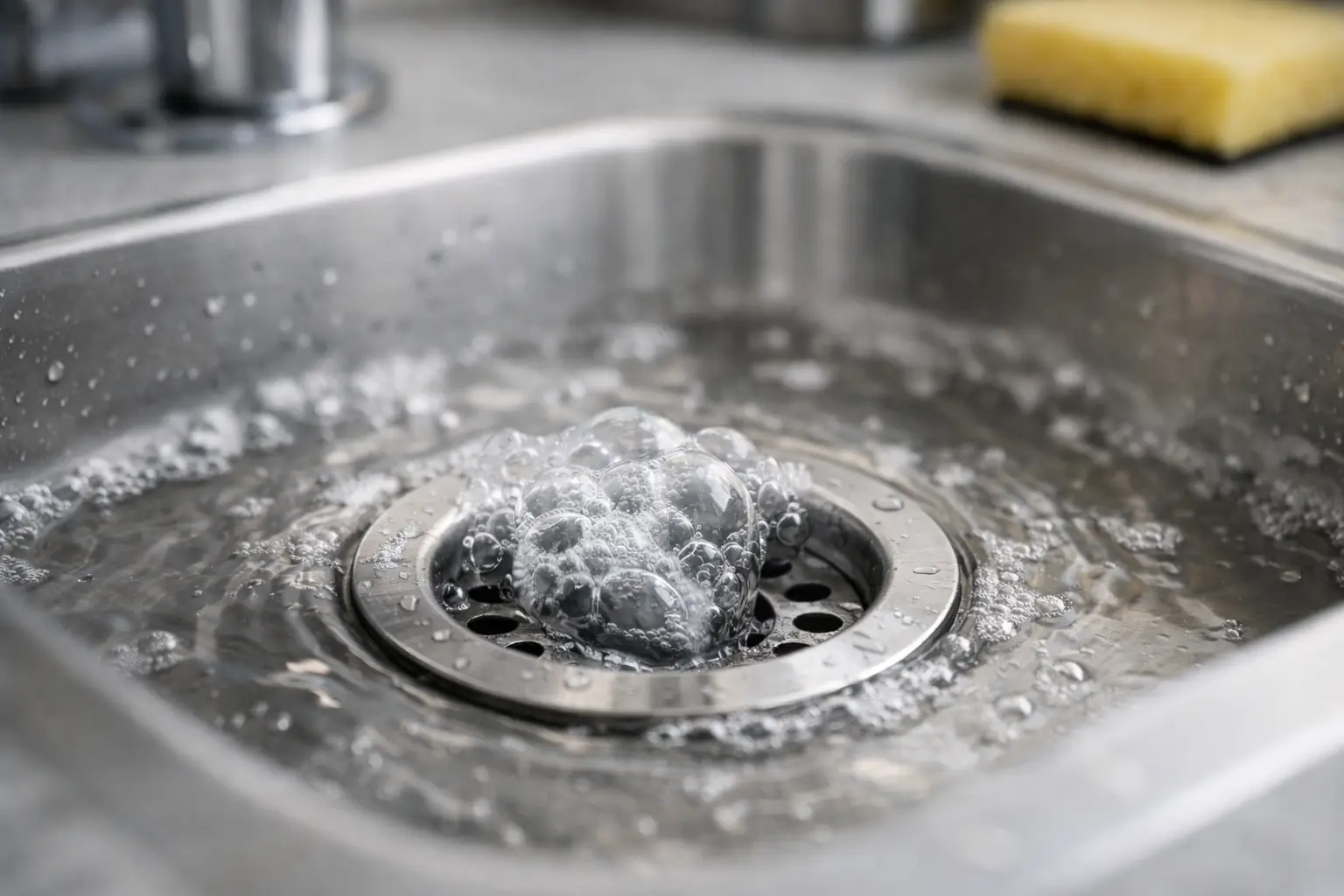
Why Does My Drain Gurgle?
Why does my drain gurgle? Learn the most common causes, what you can safely check, and when to call a plumber before it turns into a backup.
You run the sink, flush the toilet, or empty the tub, and then you hear it - that hollow gurgling sound coming from the drain. If you’re asking, why does my drain gurgle, the short answer is this: your plumbing system is having trouble moving air and water the way it should. Sometimes that means a simple drain blockage. Sometimes it points to a venting issue or the early stages of a sewer line problem.
That noise matters because drains are designed to move wastewater out smoothly while allowing air to flow through the system. When that balance is off, the drain starts pulling or trapping air, and you hear the result. A gurgling drain is often an early warning sign, not just an annoying sound.
Why does my drain gurgle in the first place?
Most gurgling happens because of one of three problems: a partial clog, a plumbing vent issue, or a larger blockage in the main drain or sewer line. The exact cause depends on where the noise is happening and what other symptoms show up around the house.
If only one fixture is gurgling, the problem is often local to that drain. A bathroom sink may be collecting hair, soap residue, and toothpaste buildup. A kitchen sink may have grease or food waste restricting flow. In those cases, water squeezes past the obstruction and drags air with it, which creates the bubbling or gurgling sound.
If multiple fixtures are making noise, or if one fixture reacts when you use another, the issue is usually bigger than a single drain. For example, if the toilet bubbles when the shower drains, or the tub gurgles after the washing machine runs, that can point to a blocked vent stack or a developing main line clog.
The most common causes of a gurgling drain
Partial drain clogs
This is the most common reason. A drain does not have to be fully blocked to make noise. In fact, many gurgling drains are still draining - just more slowly than they should. As water moves around the buildup, it creates pressure changes in the pipe. That disturbed airflow causes the sound.
Partial clogs can sit in the trap, in the branch drain inside the wall, or farther down the line. The location affects how serious it is. A clog near the fixture may be manageable. A clog deeper in the system usually needs professional equipment to diagnose and clear correctly.
Blocked or poorly functioning vent pipes
Your plumbing system has vent pipes that extend through the roof. Their job is to let air into the drainage system so wastewater can flow freely. If a vent is blocked by leaves, debris, a bird nest, or even winter frost, the system struggles to equalize pressure.
When that happens, drains may gurgle because they are trying to pull air through the nearest opening - often another drain. This is one reason you might hear sounds in a sink after flushing a toilet. It is not always a clog in the sink itself. It may be a venting problem affecting the whole branch of plumbing.
Main drain or sewer line blockage
This is the one homeowners should take seriously. If the gurgling is happening in more than one place, especially on the lowest level of the home, there may be a restriction in the main drain or sewer line. Wastewater starts to lose its normal path out of the home, and the trapped air has nowhere to go.
Early on, you may only hear noise. Then drains start slowing down. After that, toilets may bubble, floor drains may smell, and sewage can back up into tubs, showers, or basement drains. A gurgling drain does not always mean sewer trouble, but it can be the first clue.
Toilet-related pressure issues
A toilet that gurgles after flushing, or causes nearby drains to gurgle, often points to a partial blockage or vent problem. Toilets move a large volume of water quickly, so they tend to expose pressure problems in the system faster than sinks do.
If the toilet seems weak, bubbles in the bowl, or causes other fixtures to react, do not ignore it. That pattern usually means the issue is not isolated.
How to tell whether it’s a small issue or a bigger one
The sound alone does not tell the whole story. What matters is what else is happening with it.
If one sink gurgles but everything else in the house works normally, and that sink drains a little slowly, a local clog is likely. If several drains are noisy, bad smells are coming up, or one fixture affects another, the problem is more likely in the venting or main drainage system.
Pay attention to these warning signs:
- Slow drains in more than one fixture
- Toilet bubbling or inconsistent flushing
- Water backing up in a tub or shower
- Sewer odors near drains
- Gurgling from basement drains or lower-level fixtures
When several of these show up together, it is time to act quickly. Waiting can turn a drain clearing job into a cleanup job.
What you can safely check before calling a plumber
There are a few simple things you can do without making the problem worse.
Start with the affected fixture. If it is a sink or tub, remove visible hair or debris from the stopper or drain opening. If the trap under a bathroom sink is easy to access, that may be worth checking if you are comfortable doing it. In a kitchen sink, think about whether grease, coffee grounds, or food scraps may have built up over time.
A plunger can sometimes help with minor fixture clogs, especially in sinks or tubs, as long as you use it correctly and create a good seal. If the drain improves right away and the gurgling stops, the problem may have been close to the fixture.
What you should avoid is just as important. Do not keep pouring chemical drain cleaners into a gurgling drain, especially if the cause is unknown. Those products can damage piping, create safety hazards, and make a later repair messier. They also do very little for vent problems or main sewer obstructions.
Climbing onto the roof to inspect or clear a vent is also not a good DIY move for most homeowners. It is risky, and if the diagnosis is wrong, you have lost time while the problem continues to develop.
When a gurgling drain needs professional diagnosis
If the noise keeps coming back, multiple fixtures are involved, or you notice backups or odors, the smart move is a proper diagnosis. This is where experience matters. The fix for a sink clog is very different from the fix for a blocked vent or a sewer line issue, and guessing wastes time.
A professional plumber can test how the fixtures are interacting, determine whether the blockage is local or in the main line, and use the right equipment for the job. That may involve drain cleaning tools, augers, or camera inspection if a larger sewer problem is suspected.
This is especially important in older homes around the Albany area, where drain systems may have aging pipes, root intrusion, offsets, or past repair work that changed how the system flows. In those cases, clearing the immediate blockage without identifying the cause can lead to repeat calls and repeat damage.
Diagnosis-first service matters here. You want to know whether the sound is coming from a simple buildup, a venting problem, or a failing sewer line before anyone starts recommending repairs.
Why fast action matters
A gurgling drain rarely gets better on its own. A partial blockage usually collects more debris. A vent problem continues to disrupt drainage. A main line issue often progresses toward backup.
The cost difference between early service and emergency cleanup can be significant. Clearing a line before wastewater comes back into the home is the better outcome every time. It also helps protect flooring, drywall, and anything stored near lower-level drains.
If the gurgling started suddenly, if it is getting worse, or if your toilet and drains are reacting to each other, treat it like a warning sign. That is when fast, code-compliant plumbing service without the runaround matters most.
For homeowners who want a clear answer and a clean repair process, Trinity Plumbing & Drains handles drain and sewer problems with straightforward diagnosis, defined scope, and licensed oversight.
The helpful next step is simple: if one drain is noisy, check for a minor local clog. If the sound is spreading, the toilet is bubbling, or water is backing up anywhere, stop guessing and get it checked before your drain turns into a sewer problem.