
Why Is My Shower Draining Slow? Causes and Fixes
Why is my shower draining slow? Learn the common causes, safe first steps, and when Albany-area homeowners should call a licensed plumber for help today.
A slow shower drain usually starts small: water gathers around your feet, then takes longer to disappear after the shower is off. If you are asking, why is my shower draining slow, the answer is usually a partial blockage close to the drain. But in some homes, especially older properties around Albany, the issue can be farther down the branch line or connected to a developing sewer problem.
The right response depends on what the drain is telling you. A minor hair clog may be handled safely at home. Repeated backups, bad odors, gurgling, or slow drains throughout the house call for a proper plumbing diagnosis before a simple clog turns into water damage or a sewer backup.
Why Is My Shower Draining Slow? Common Causes
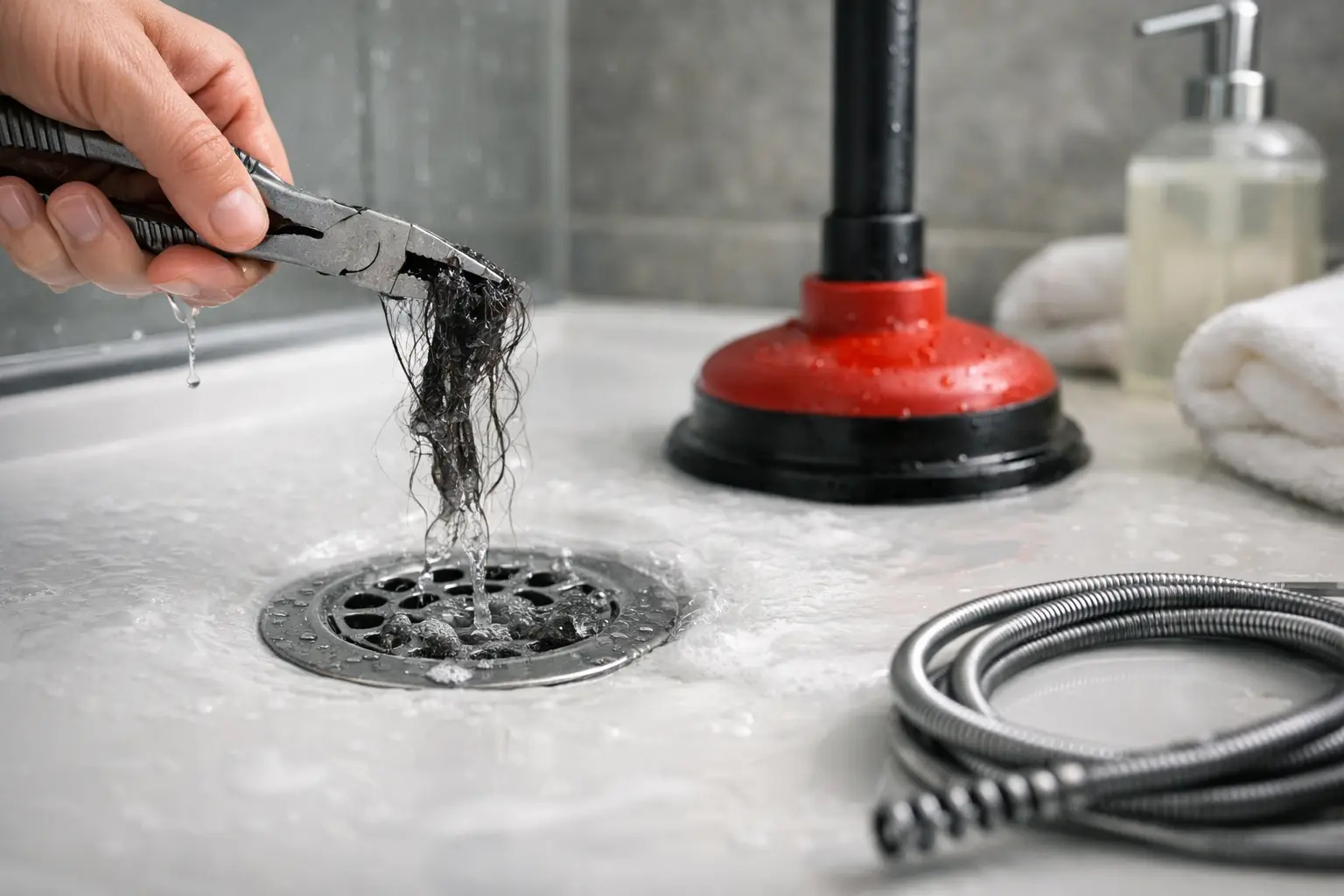
Hair is the most common cause. Long hair, short hair, pet hair, and soap residue collect around the drain stopper and just below the shower strainer. Over time, that material forms a sticky mat that restricts water flow. It does not need to completely block the pipe to make a shower drain noticeably slower.
Soap scum and body oils add to the problem. Many bar soaps leave behind minerals and fatty residue that cling to the pipe walls. In homes with mineral-heavy water, scale can narrow the inside of the drain line as well. The result is a drain that may work well enough most days but backs up during a longer shower.
A partial clog farther down the pipe is another possibility. This can be caused by buildup that has moved beyond the trap, debris from a prior renovation, or a section of pipe with poor slope. Older homes may also have aging drain piping with rough interior surfaces that hold debris more easily than newer pipe.
Sometimes the shower is not the only fixture affected. If the tub, bathroom sink, or toilet nearby is also slow, the blockage may be in the shared bathroom drain line. If drains in several areas of the home are slow or gurgling, the concern shifts to the main sewer line. That is not a problem to ignore or treat with a bottle from the hardware store.
Start With a Safe, Simple Inspection
Before trying anything aggressive, remove the drain cover or stopper if it is designed to come out easily. Look for visible hair and soap buildup at the opening. Gloves, a flashlight, and a small plastic drain tool are often enough to remove a shallow clog.
Run hot water after clearing the visible debris. For light soap residue, a small amount of dish soap followed by hot tap water may help move softened buildup along. Do not use boiling water in a shower with PVC drain pipes or acrylic components. Very hot water can damage some materials or loosen fittings over time.
If the drain is still slow, a small hand auger can sometimes clear a clog beyond the opening. Use it gently. Forcing a tool through a drain can damage a stopper assembly, push the blockage farther down the line, or get the cable caught in old piping.
Avoid mixing products. Chemical drain cleaners can create heat and corrosive reactions inside the pipe. They can damage older metal drain lines, weaken seals, and create a safety hazard for anyone who later opens the drain or works on the line. They also frequently fail to remove the real cause of a hair-and-soap clog. A drain that improves for one day and slows again still needs a more complete cleaning.
Signs the Clog Is More Than a Shower Problem
A slow shower drain deserves professional attention when it keeps returning after basic cleaning. Recurring clogs often mean there is buildup deeper in the line, an issue with the pipe itself, or a drain-cleaning method that only punched a small hole through the blockage instead of clearing it.
Call for service promptly if you notice any of the following:
- Water rises quickly around your feet or backs up into the tub.
- The toilet bubbles, gurgles, or changes the shower water level when flushed.
- The bathroom sink, toilet, and shower all drain slowly.
- You smell sewage or notice dark water coming back through a drain.
- The shower drain became slow suddenly after a heavy rain or has been a repeated problem in an older home.
These symptoms can point to a shared drain-line obstruction or a sewer-line issue. Tree roots, grease buildup, damaged pipe, a pipe belly, or a blockage in the main line can all affect how fixtures drain. The exact cause matters because the repair method needs to match the problem. Guessing can waste time and leave the home vulnerable to a larger backup.
What a Professional Drain Diagnosis Looks For
A qualified plumber does more than run a cable and hope for the best. The first step is to identify which fixtures are affected, when the issue occurs, and whether there are signs of a localized clog or a larger drainage failure. That narrows the scope before work begins.
For a typical shower clog, professional drain cleaning may involve accessing the line with the right cable size and cutting head to remove hair, soap buildup, and debris without damaging the pipe. If the clog is farther down the system or keeps returning, a camera inspection may be the practical next step. A camera can show buildup, roots, cracks, offset joints, or damaged sections that cannot be confirmed from the shower drain alone.
There are trade-offs. Simple cabling is often the right first repair for a straightforward blockage. It is fast and cost-effective. Hydro jetting can provide a more thorough cleaning for certain lines, but it is not automatically appropriate for every older pipe or every suspected problem. A licensed plumber should assess pipe condition and explain the recommended scope before proceeding.
This diagnosis-first approach is especially useful when a slow drain is part of a bigger pattern. Clearing one bathroom fixture will not solve a main sewer restriction. On the other hand, replacing pipe is not the first answer for a basic hair clog. The goal is a repair that addresses the actual cause without unnecessary work.
How to Keep a Shower Drain Moving Freely
Once the drain is clear, a few routine habits can reduce future clogs. Use a removable hair catcher that fits the shower drain properly and clean it after each shower or every few uses. It is a small task, but it prevents the most common source of buildup from entering the pipe.
Clean the stopper and drain cover regularly. Soap residue builds up there before it moves deeper into the line. If several people use the same shower, check it more often. Homes with long hair, pets that are washed in the tub, or frequent use of heavy conditioners may need more frequent maintenance.
Use plenty of water when rinsing soap or shaving products down the drain, but do not treat the shower as a disposal point for debris. Avoid flushing cotton swabs, dental floss, wipes, or small plastic caps. Those items can catch on existing buildup and create a more stubborn blockage.
If you have had repeated slow drains, schedule professional drain cleaning before the issue becomes an after-hours backup. Preventive service makes sense when the line has a known history, but it should be based on the condition of your plumbing, not a one-size-fits-all schedule.
When to Call for Fast Drain Service
A shower that drains slowly can usually wait a short time if there is no overflow, odor, or activity in other fixtures. Put the shower on hold if water is rising quickly, dirty water is backing up, or the toilet and drains are reacting to each other. Continued use can force wastewater out through the lowest open fixture, which is often the shower or tub.
For homeowners in Albany, Colonie, Troy, Delmar, and East Greenbush, Trinity Plumbing & Drains can diagnose the source of a slow shower drain, clear the line correctly, and explain the repair options without the runaround. Licensed, code-compliant work matters when the problem reaches beyond a simple surface clog.
Do not wait for a slow drain to become standing water on the bathroom floor. Clear the easy debris safely, watch for signs of a larger blockage, and get the line checked when the problem keeps coming back.